













Client
CAMPARI RUS LLC is the CIS representative office of an Italian company that produces and distributes alcoholic beverages in 190 countries worldwide. Its portfolio includes more than 50 brands, including Aperol, Campari, Cinzano, Mondoro, Espolon, Bisquit, and others.
Problem: product information for CIS retailers is processed manually
The client works with most major retailers in CIS. Among them, 14 key chains stand out: K&B, Lenta, Winestyle, Auchan, Bristol, and others.
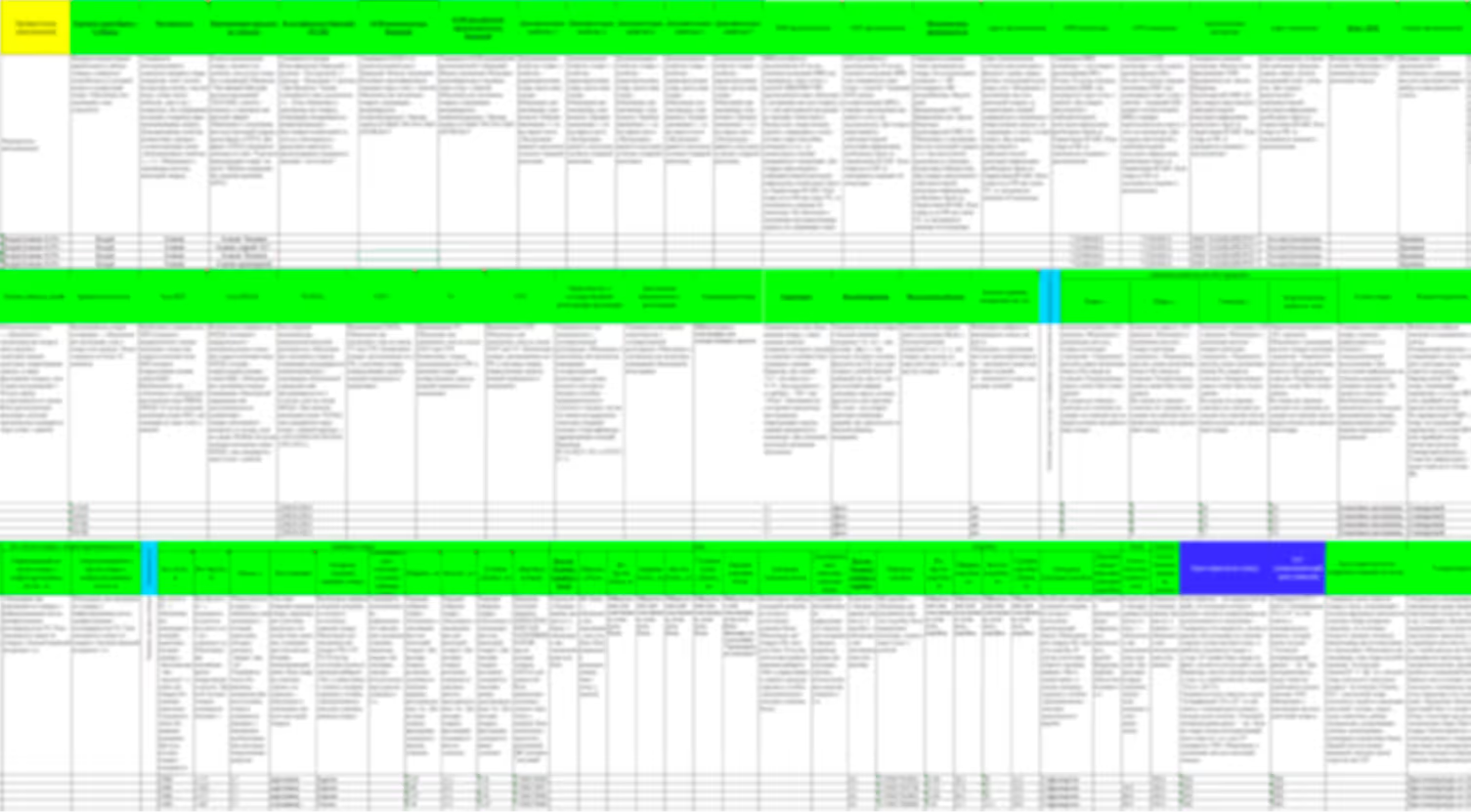
Up to 200 fields of information about each product had to be loaded into their systems: name, ingredients, drink color, alcohol content, bottle volume and height, product photo, warehouse address, pallet weight, and so on. A quarter of this information consists of legal data for government systems such as EGAIS.
Employees at the CIS representative office passed this information to retailers manually in Excel spreadsheets. Product photos were sent in ZIP archives. This created many problems:
The illustration shows less than half of the attributes that the client's employees used to prepare manually
- Product information used to take several days to update because a separate data export was created for each retailer. Some required two different exports, one for the internal product management system and one for the online storefront. In total, employees filled in 19 tables manually.
- The client's employees had difficulties preparing exports and finding information on network drives.
- Product photos were updated manually. From time to time, employees made mistakes and sent the wrong files to retailers.
Task: quickly automate product data management in CIS retail
Exports with information for retailers must be generated automatically, in just a few clicks. Photos should also be uploaded to product cards automatically based on the file name.
The system must generate public catalogs, product pages with a limited set of information. Regional distributors will use them to get up-to-date product information without needing to create exports of individual specifications.
These catalogs should later be used for onboarding and for customers who buy premium brands.
The time from development start to full system launch was 2 months.
Review a similar project with an architect
Result 1: 2 months from start to production launch
The client wanted to launch the system in 2 months so that, starting in January 2023, content managers would spend less time entering new items and editing existing ones.
KT.Team could have implemented all system requirements in Pimcore or Brandquad. According to a preliminary estimate, work in Pimcore would have required 1,000 hours and about 4 months before the system launch.
Brandquad was a better fit for this project for the following reasons:
KT.Team launched the system exactly on schedule in 2 months, with the work taking 318 hours.
- works as a SaaS service, with no need to set up your own servers;
- the interface is intuitive and easier for employees to learn;
- Some functions do not need to be programmed because they are included in the standard set. For example, automatic image linking to product cards.

Result 2: product information updates in one click
New information for retailers must be exported several times a month. This happens when:
Depending on the amount of data, the client's manager manually creates one export in up to 3 hours. Preparing 19 such exports for all retailers takes several days.
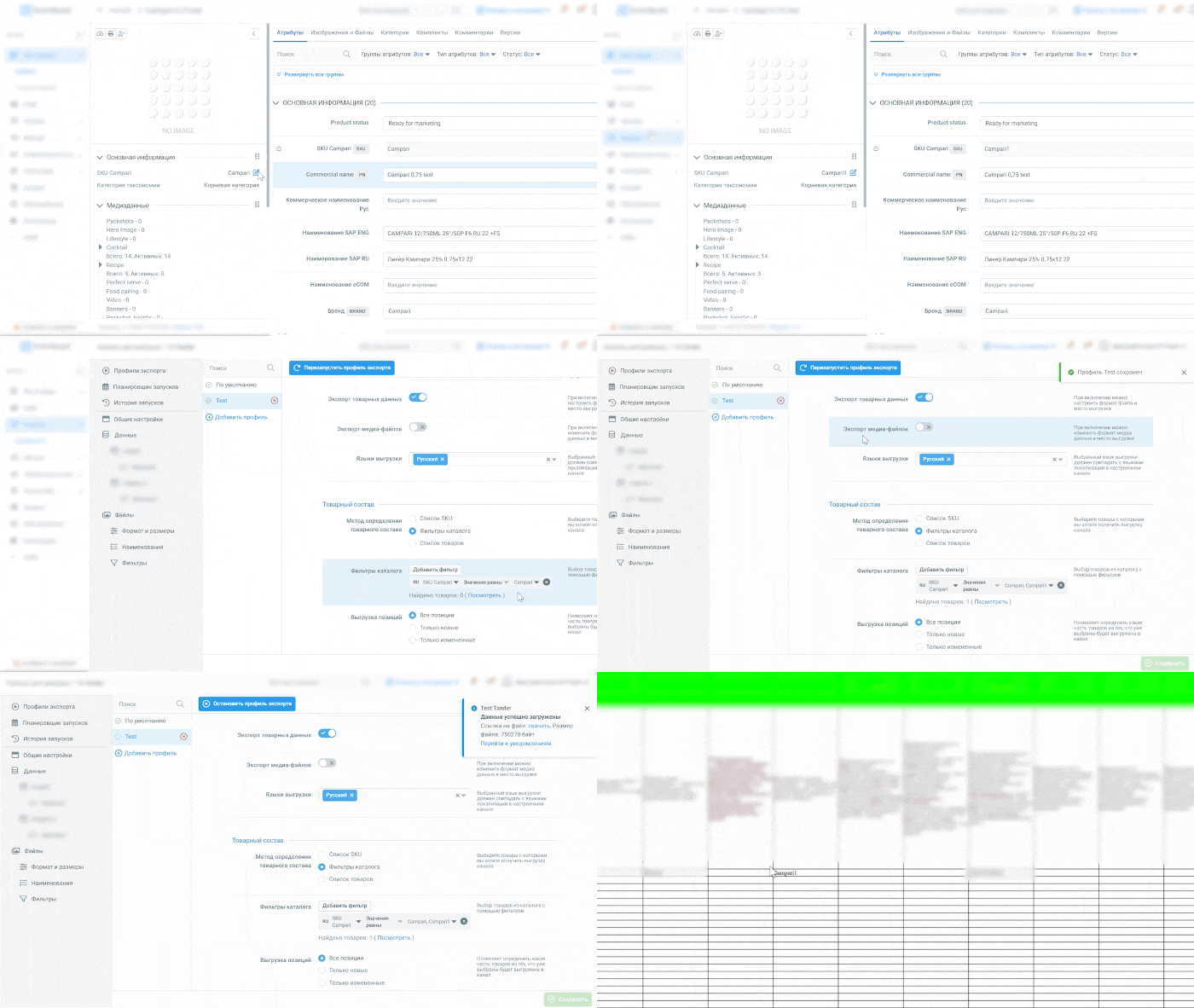
The system generates exports in a few seconds. Employees no longer need to remember the table specifics for each retailer, so these mistakes are now impossible.
The process from receiving new product information to sending it to the responsible retailer manager takes a few minutes.
- When new SKUs appear
- When the product's legal information changes
- When liquid/package parameters change
- When the product appearance changes
- When marketing activities are carried out in accordance with CIS law
Result 3: product images are updated automatically through the Brandquad account
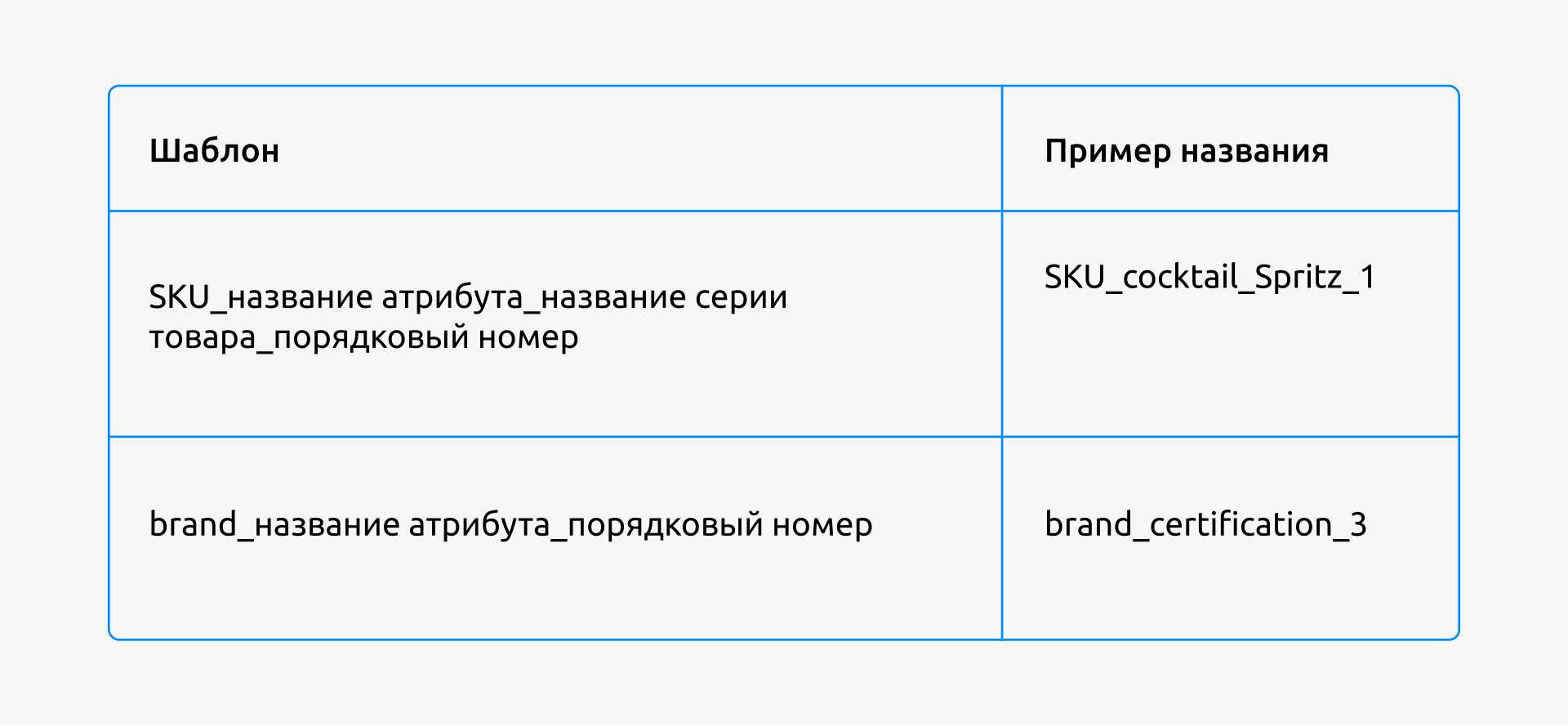
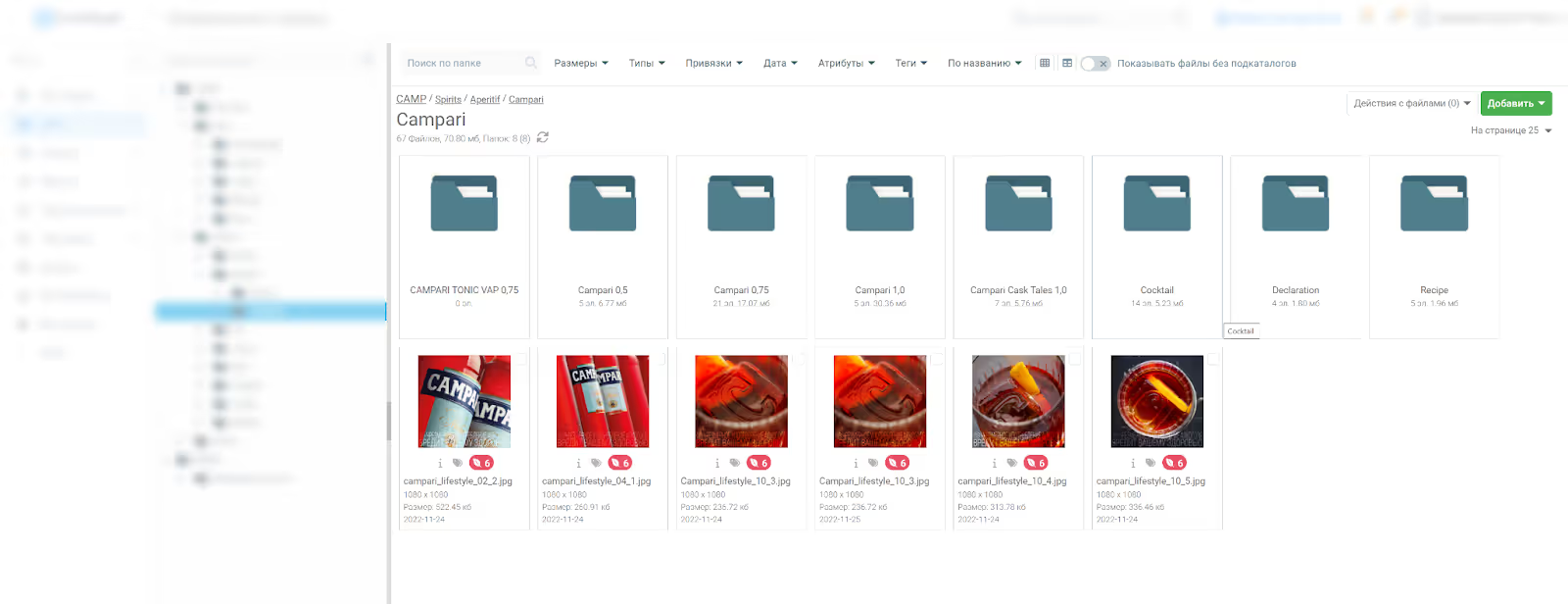
KT.Team developed a system for automatically linking images to product cards in retailers' systems. An employee only needs to name the images according to a defined standard and upload them through the Brandquad account to the folder for the required brand. The system automatically matches the file name with product records and updates the images.
Result 4: the client conveniently manages product information through public catalogs
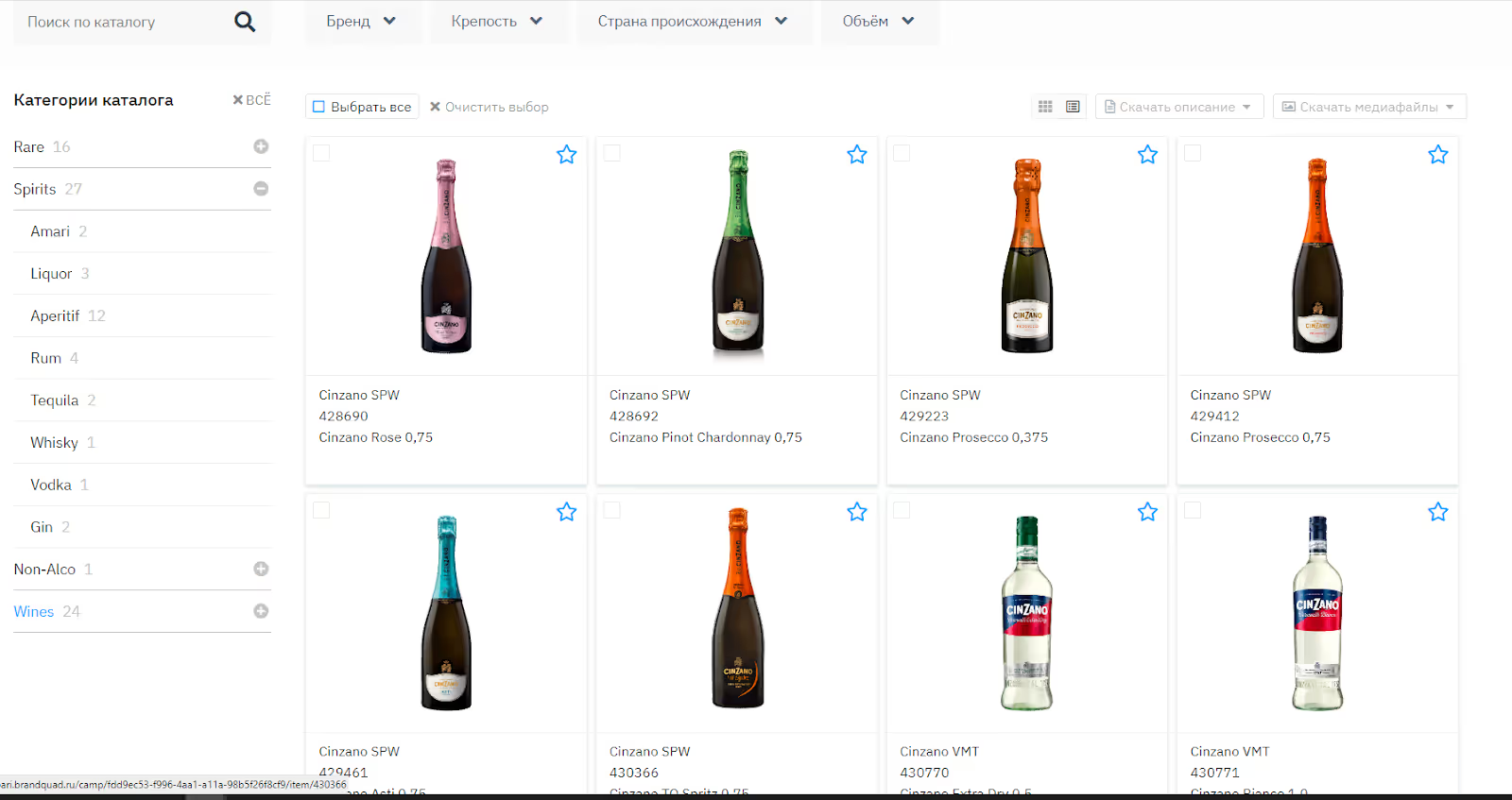
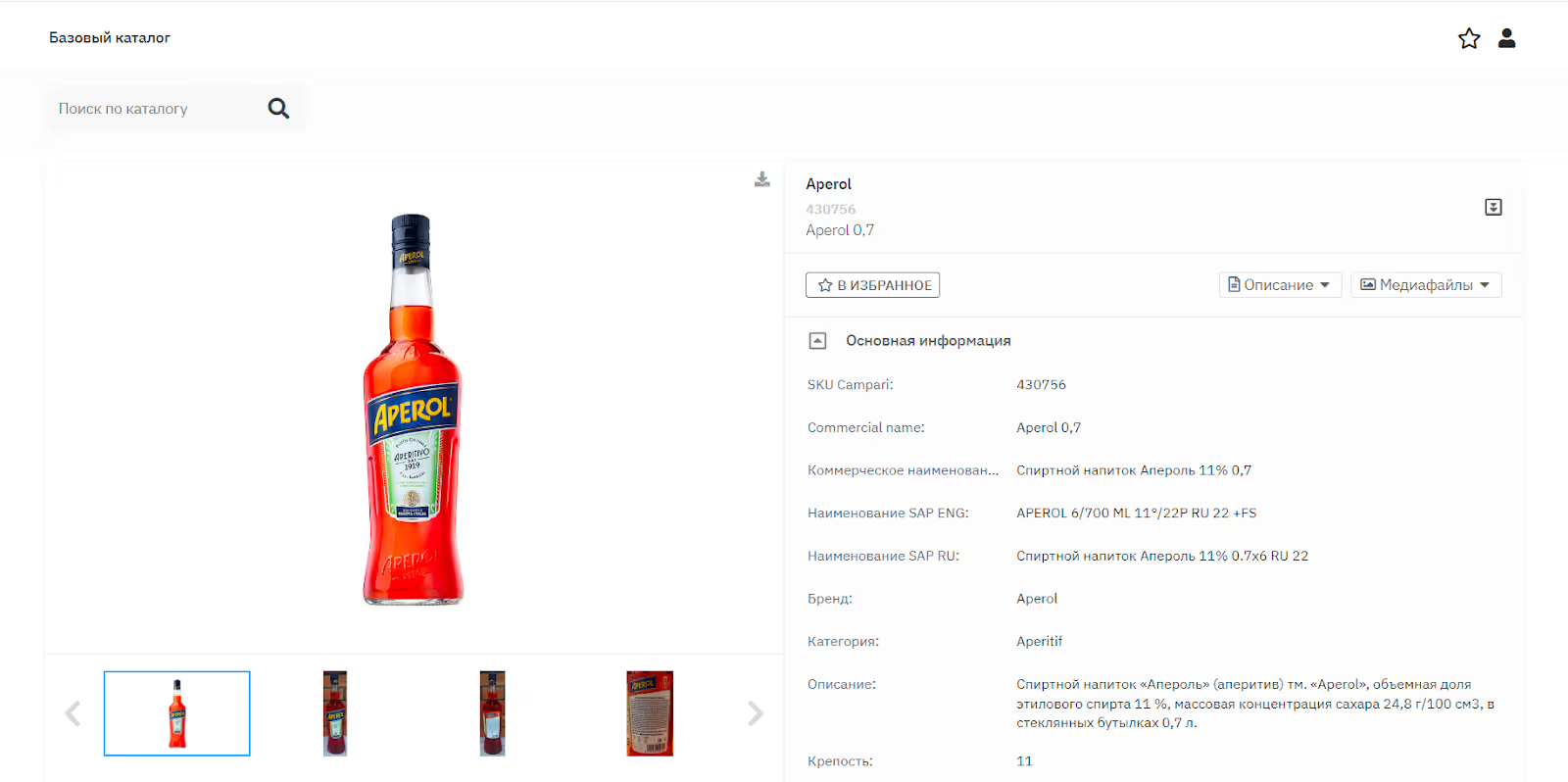
A public catalog is a website page or internal portal with only the necessary product information exported. For example, retailers can embed product cards from the public catalog directly into their online storefront. Or turn them into a landing page to promote specific brands.
In such cases, unnecessary attributes and legal information must be hidden from the product's main record in the system.
KT.Team created 3 public catalogs:
- for customers buying premium products;
- for on-trade customers;
- a catalog without premium segment products.