









AI ingredient recognition by barcode
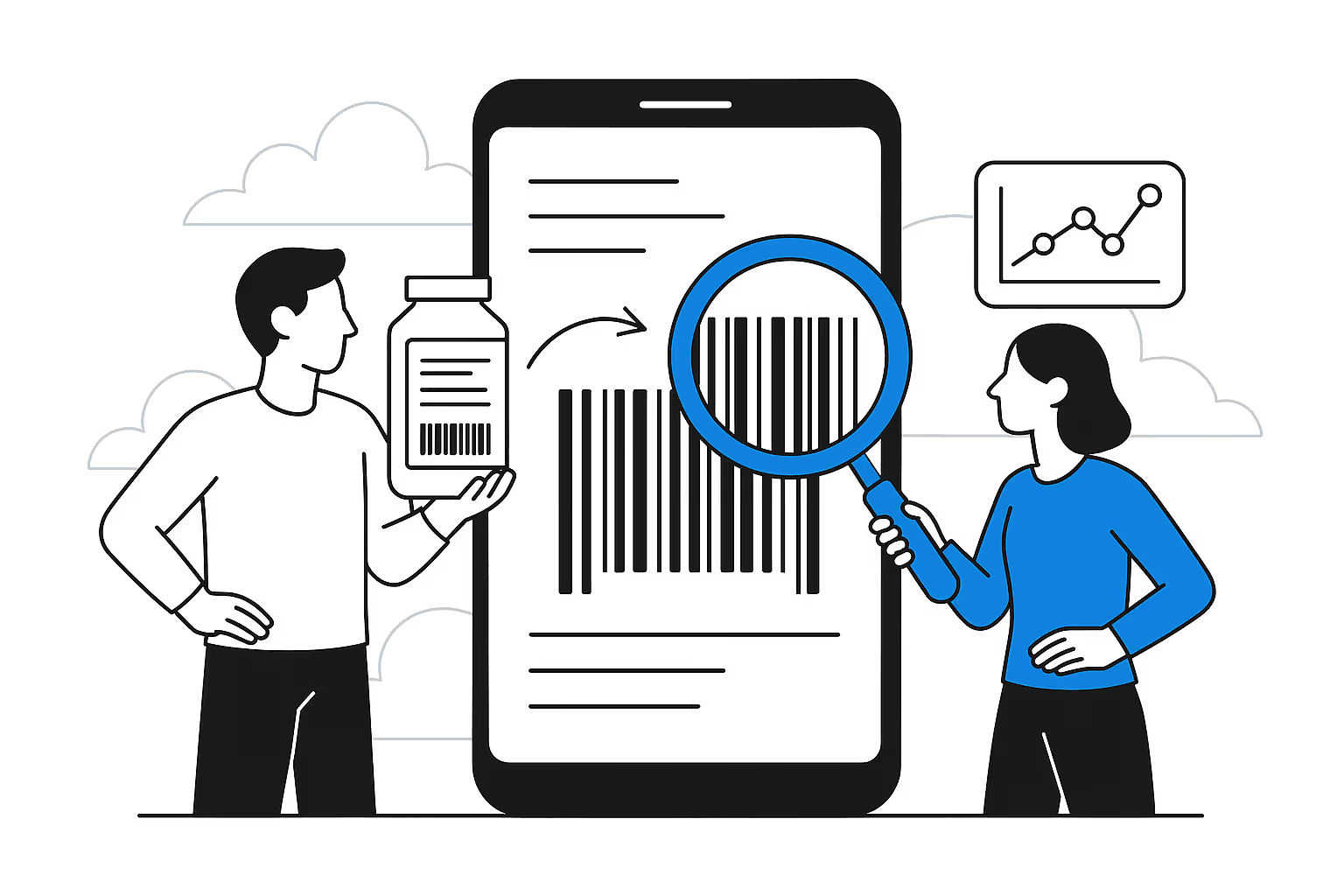
- Processing sped up from 30 minutes to 2 per batch of 10 images
- Recognition accuracy for composition is 80-95%
AI
AI assistants for developers and construction companies: documents, estimates, procurement, site supervision and project summaries in one workspace.
Our clients
The design documentation assistant detects discrepancies across design, working and as-built documentation and helps the team avoid losing decisions in correspondence. The estimate-and-contract assistant reconciles estimates, contracts, supplementary agreements, KS-2, KS-3 forms, limits and actual volumes.
The procurement assistant surfaces shortages, delivery delays and the impact of purchasing on the site schedule.
The construction control assistant gathers remarks, photos, reports and contractor statuses into a managed list of deviations.
The project manager assistant prepares a daily summary of deadlines, budget, risks and decisions that need to be made.

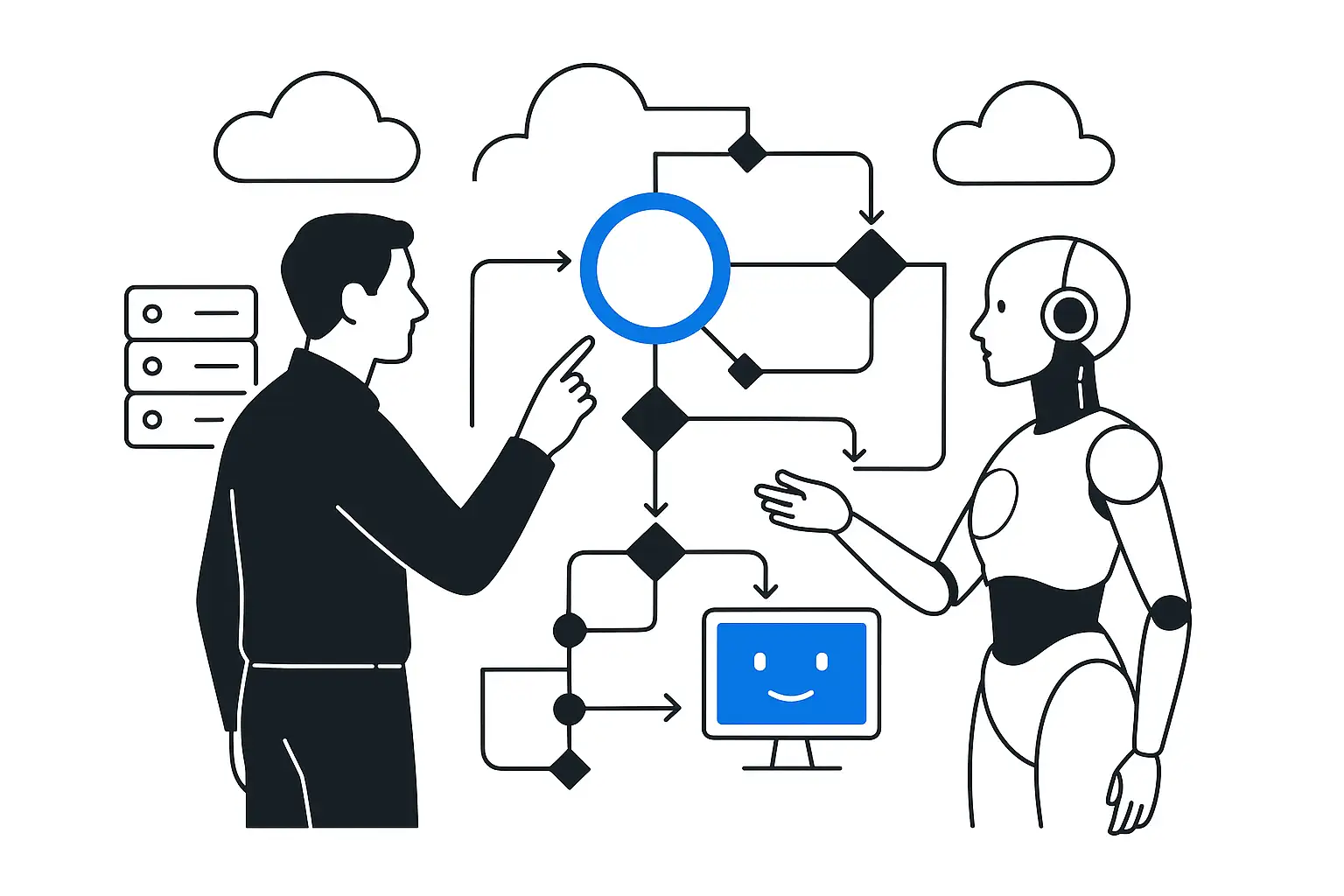
We don't add a chat on top of chaos. First we connect the data sources: 1C, ERP, the common data environment, BIM, DWH, contractor reports, email, EDI and project repositories. Then we set up permissions, context, regulations and quality criteria. The AI assistant operates within the boundaries of the process: it prepares summaries, finds deviations, explains causes and hands disputed decisions over to a human. This approach supports loose coupling of systems: assistants help manage the site but do not turn 1C, BIM or the common data environment into a new monolith.
The first step is to choose one process with measurable impact: closing issues, verifying KS forms, procurement, site control, or project manager summaries. In 2-4 weeks, a pilot setup can be assembled: data sources, roles, knowledge base, validation scenarios, and metrics. The goal of the pilot is not a demo for its own sake, but a solution that shows less manual reconciliation, faster response to deviations, and clearer accountability for each site.
Cases