Pain
The business wants to change processes faster, but is debating rules, roles, data, and success criteria.

We help businesses turn change ideas into processes, CRM/AI workflows, pilots, and measurable impact faster.
Approach map
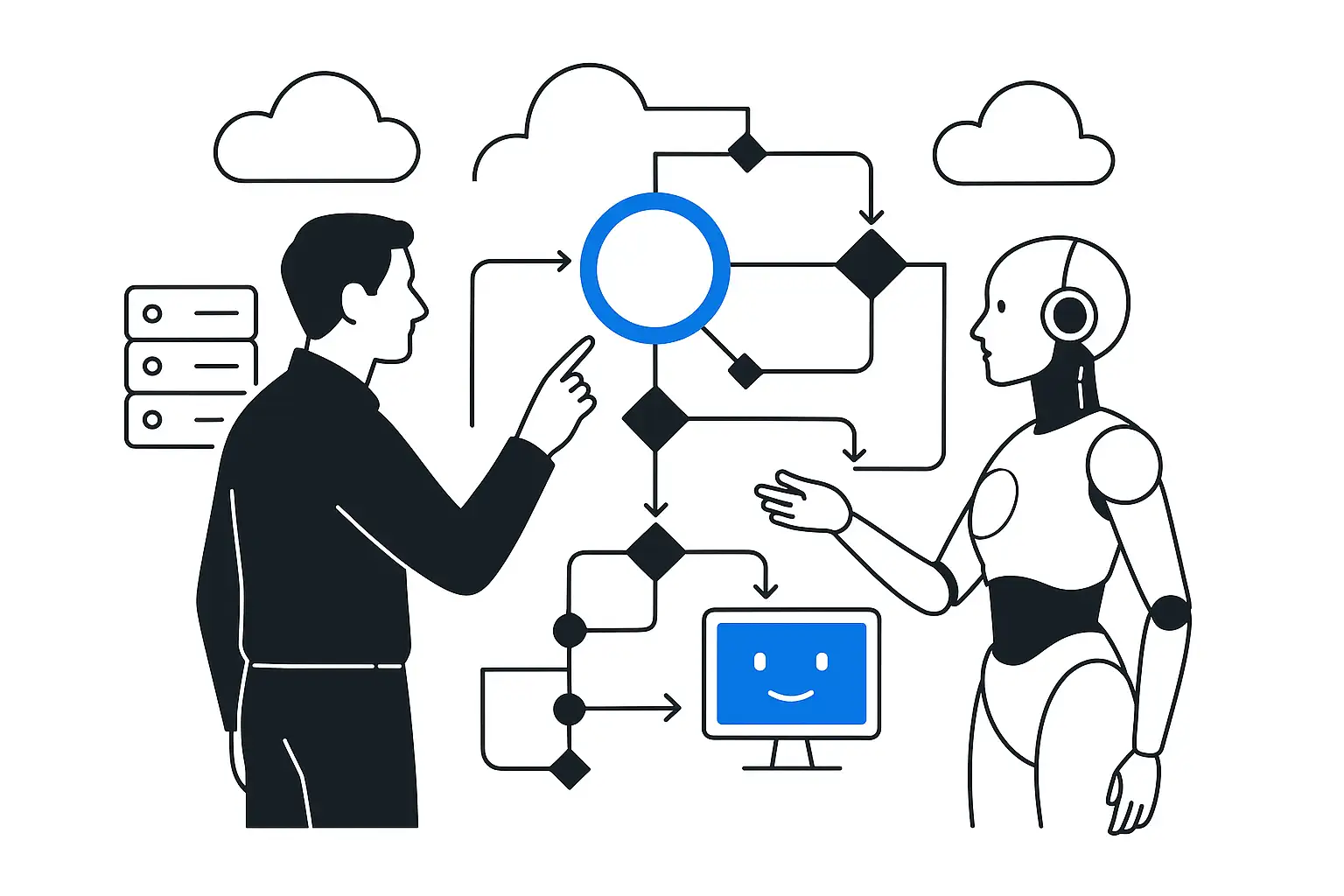
We first define the workflow and KPI, then connect data, CRM, AI, and the pilot. This gets the idea to users faster.
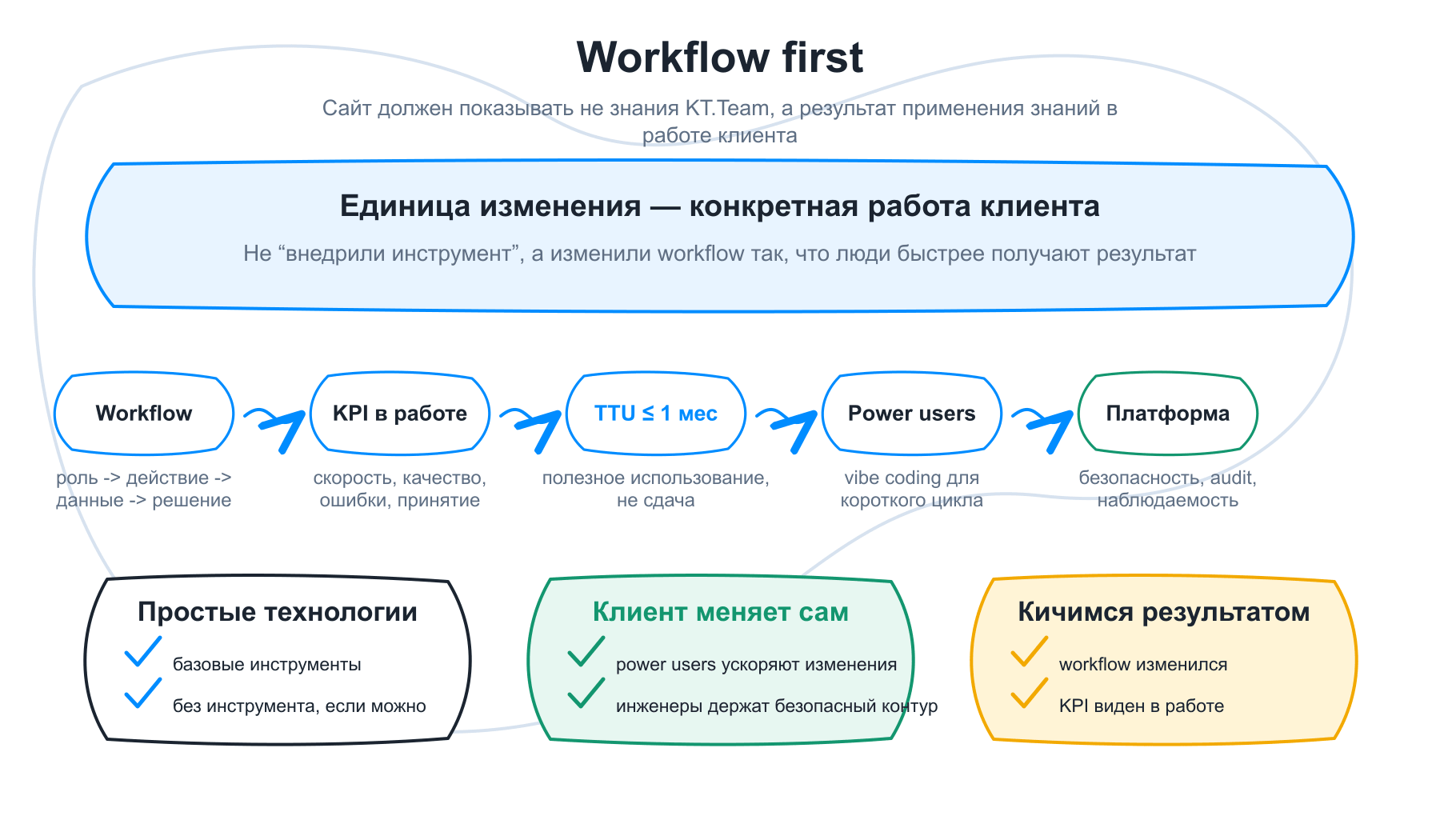
The business wants to change processes faster, but is debating rules, roles, data, and success criteria.
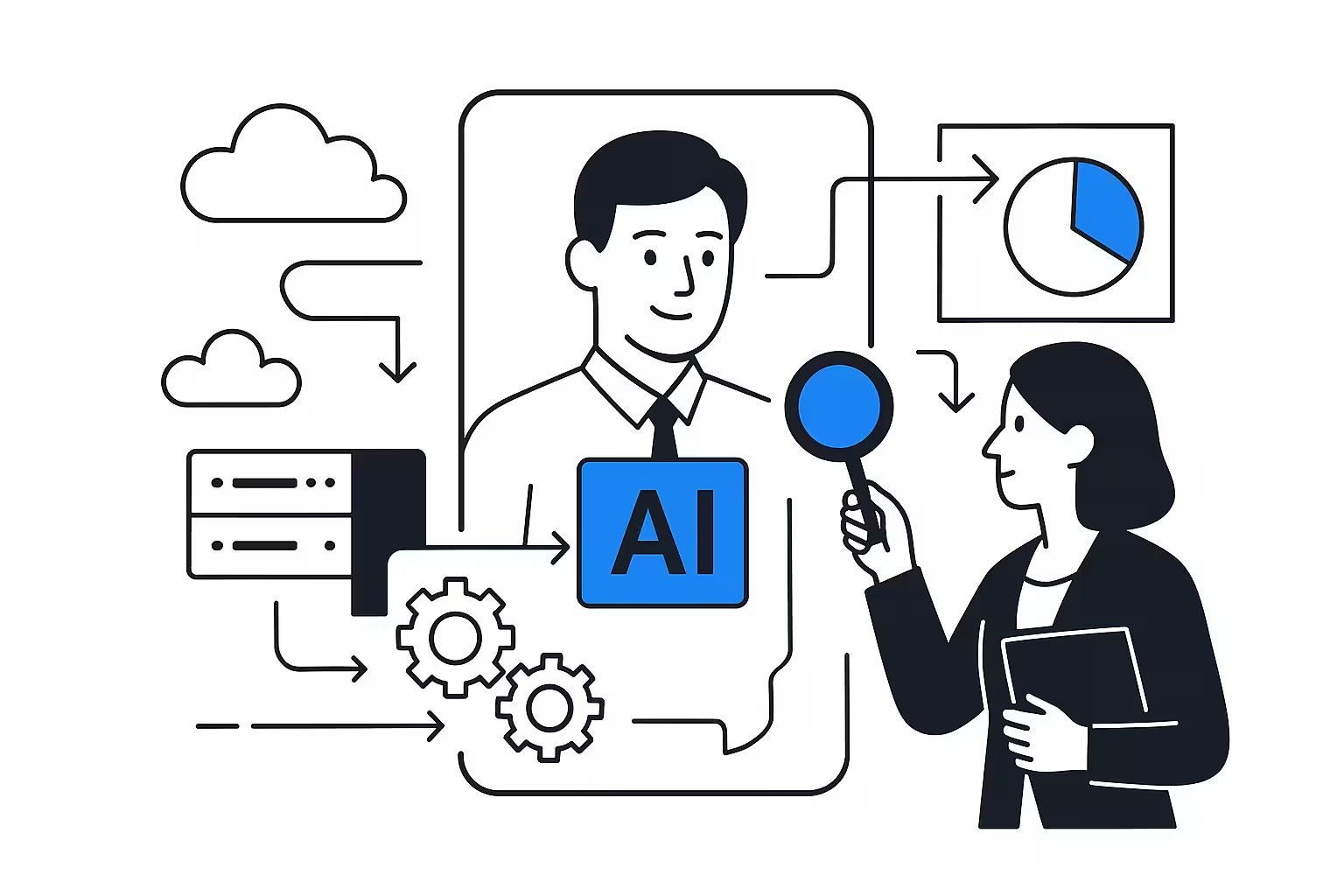
CRM, 1C, documents, meetings, and procedures are connected into a working context for solving the task.
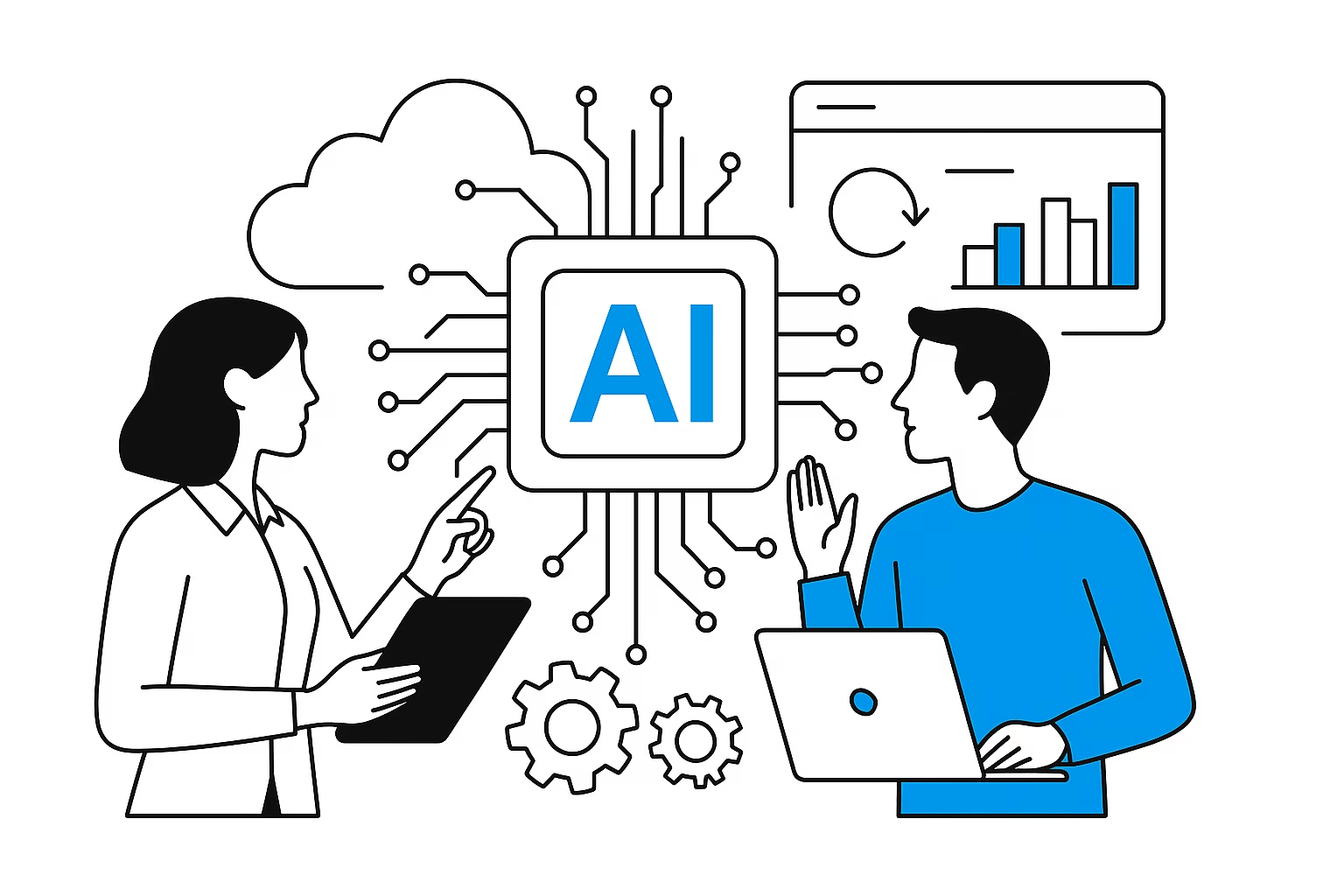
AI helps gather facts, suggest the next step, and handle routine work, but does not make critical decisions without a human.
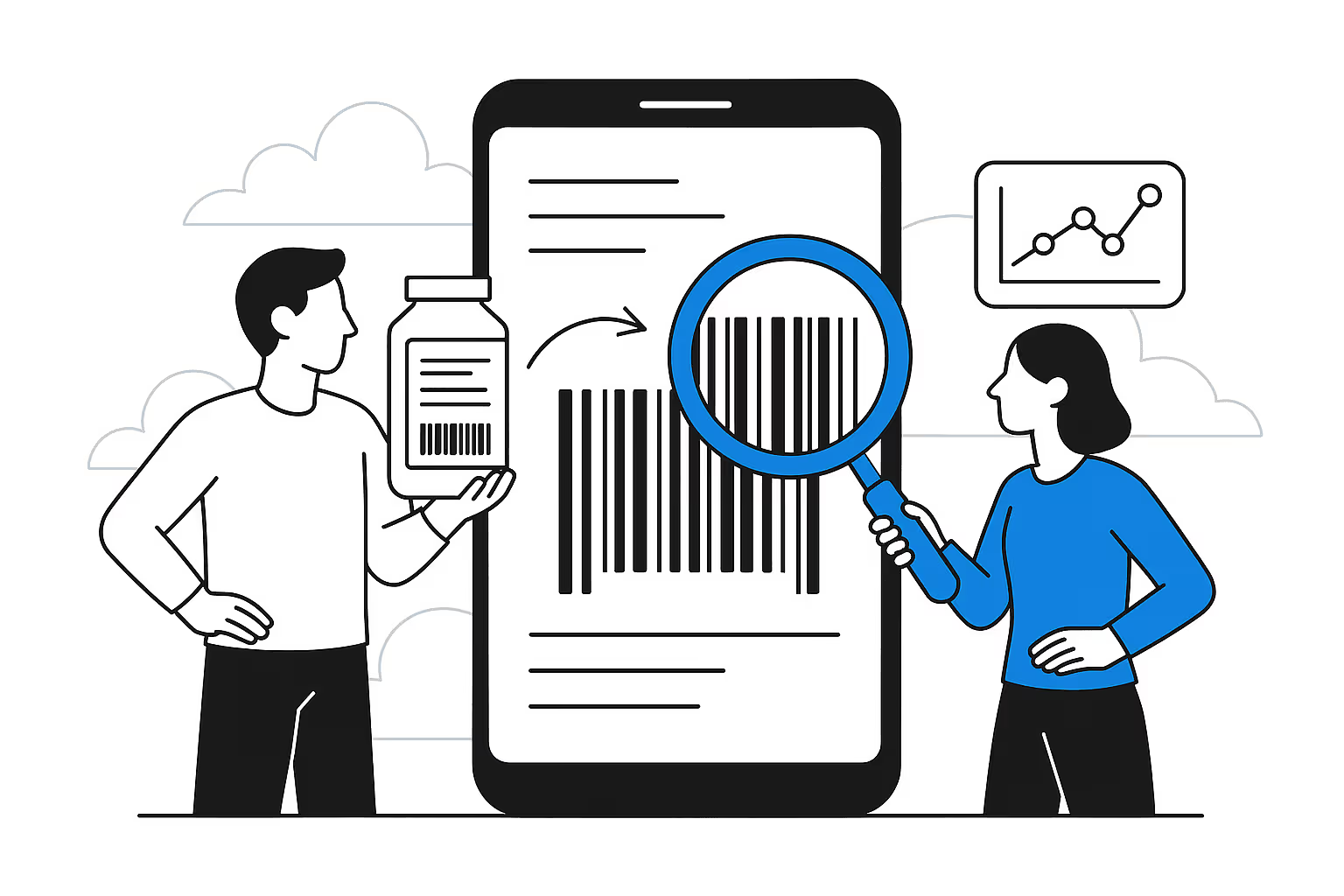
The pilot is evaluated by TTU, action speed, data quality, and reduced manual work.
Our clients












The Problem
Teams want to change CRM, sales, procurement, or support faster, but they understand statuses, roles, rules, and success criteria differently.
The context sits in CRM, 1C, spreadsheets, meetings, proposals, chats, and procedures. Before each change, it has to be gathered manually.
If the process is not defined and there are no sources of truth, AI may phrase things well, but it does not help make decisions, execute actions, or measure impact.
Approach
We analyze one flow: roles, actions, data, systems, and losses in speed, quality, and money.
We define the business goal, process owner, operating rules, data, MVP boundaries, risks, and success metrics.
We refine CRM, integrations, reports, prompts, RAG, AI assistants, or workflow automation where it truly changes the work.
We test the impact in a limited scenario and decide whether to scale, fix, or stop.
First pilots
Next action on the lead, personalized follow-up, reasons for rejection, overdue tracking, re-engaging cold leads, and meeting prep.
Customer journey to reservation, broker leads, mortgages, handoff to closing, plan-versus-actual for properties, procurement, and contractors.
Requests, approvals, documents, support, SLA monitoring, management summaries, and recurring leadership decisions.
Artifacts
One diagram that shows what is happening now, where the process loses speed, and which decisions need to be aligned before development.
A list of improvements split into process rules, data, integrations, CRM, AI scenarios, and organizational actions.
Pilot scope, roles, timelines, metrics, gate-review criteria, and a clear next step for scaling.
Engagement model
Every change is a separate business process: we implement AI in 1–2 weeks, the client accepts a working process, and payment is tied to the accepted result, not to hours. How the model works and what makes up the price — Fix Price and process-by-process AI adoption.
Cases
Three projects where AI reached real work in the client's process: accounting, ticket classification and the development pipeline.
FAQ
Both, but in the right order: first define the process, goal, data, and metrics, then build the digital or AI layer and bring it into use.
Yes. We start with one process and one owner. If the pilot delivers results, the approach scales to adjacent flows.
AI helps gather context, verify data, suggest the next step, prepare a summary, find risks, and carry out some actions. But facts, commitments, money, and critical decisions stay under human control.
CRM, 1C, BI, EDI, knowledge bases, spreadsheets, portals, tickets, meeting notes, and documents. We choose the architecture to fit the process, not the other way around.
Before launch, we fix 2-4 metrics: preparation time, speed of the next action, share of overdue tasks, conversion to the next step, data quality, or reduction in manual work.