
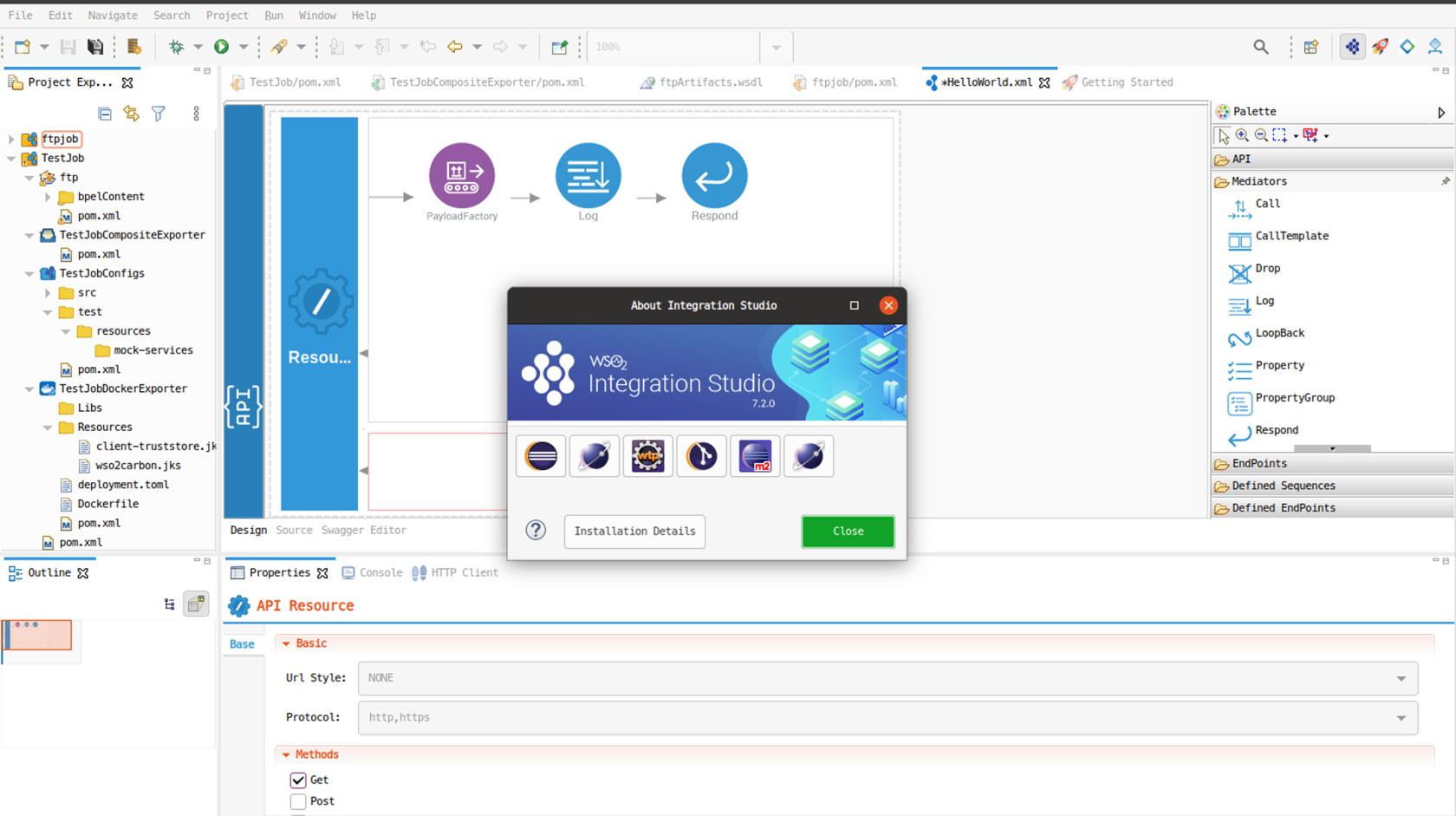
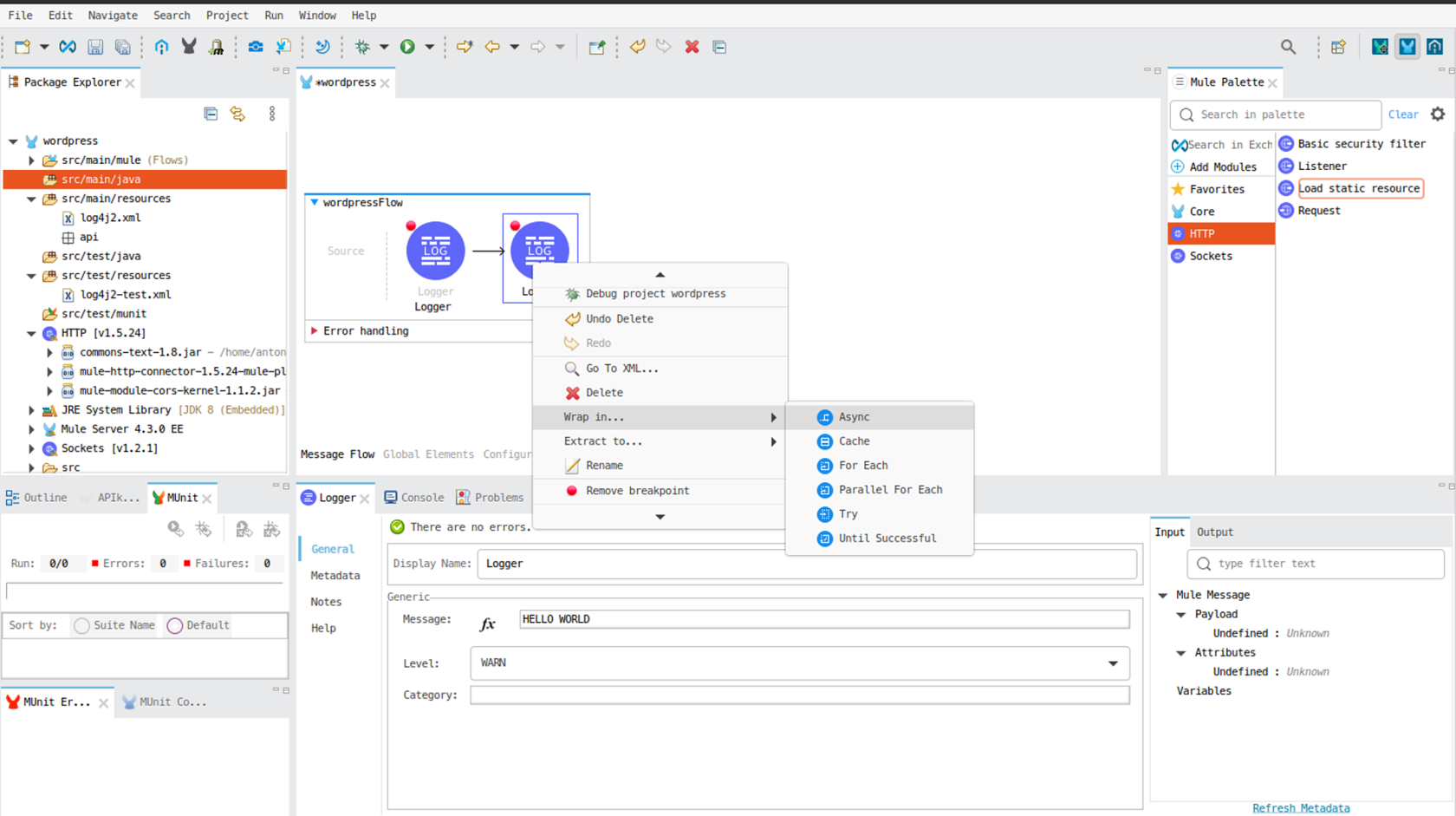
Visual builder and access to source code All integrations are built in ETL GUI tools*, which makes it possible to add new integrations and adjust existing ones quickly. As a low-code solution, ETL provides control over the components and makes it possible to create custom ones, usually in Java, or use code injection to implement unique solutions. The speed of integration changes increases many times over, and the need to document how they work disappears entirely.
Solutions
Marketplace integration with ESB
Marketplace integration via ESB: automated data exchange, scalability, and lower costs for supporting e-commerce infrastructure
Our clients
Clients and partners














An integration layer built on the ESB paradigm helps enterprise projects reach new sales channels faster. At the same time, development resource costs are minimized. ESB makes it possible to retain full control over the integrations themselves. Contact sales
Features of marketplace integration
-
Like any integration, marketplace integration can rely heavily on mappings received from different systems.
-
Often, product data is stored in one place, while pricing and warehouse-level stock data are stored elsewhere.
-
Moreover, if any of your systems is updated or replaced, the project integrations should be easy to reconfigure.
-
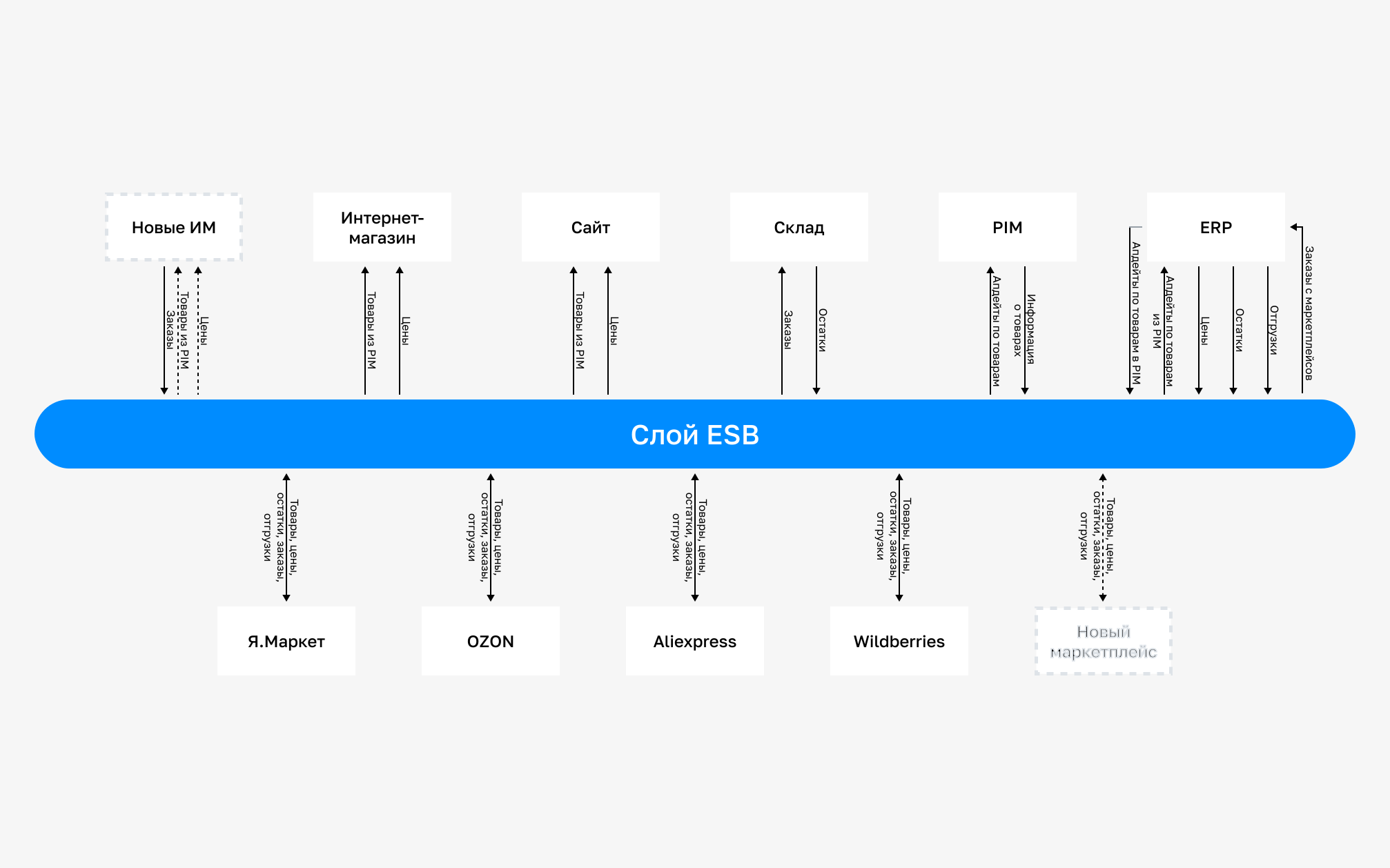
Having an ESB layer in the enterprise IT landscape makes it possible, while retaining full control over the source code of integration microservices, to simplify integration logic and make integrations fast and predictably reliable without additional development in the target systems where product, pricing, and inventory data is stored.
ESB integration capabilities with marketplaces
A unified integration style The ESB layer makes it possible to establish and use your own integration standard, which simplifies support.
Scalability The ESB service bus has its own scheduling and load distribution mechanisms. You can configure custom logic for receiving and sending each data stream. This helps avoid overload during bulk product data transfers and prevents data loss if the receiving server is temporarily unavailable.
Advantages of marketplace integration with ESB
Ease of integration: ESB is a low-code solution that lets you quickly create microservices without involving a development team or spending hundreds of hours. Most of the work can be done by a business analyst in a RAD environment using a mouse, leaving developers only the most complex part of development.
Faster launch The ESB service bus has ready-made scenarios and tools that help deploy the system quickly on a project.
The right way to build an SOA architecture. When integrations between systems are implemented point to point, your service-oriented architecture effectively becomes monolithic. This slows future integration changes and makes maintenance, as well as support for all related services, more difficult. Need an implementation? Contact us, and we will calculate the timeline and cost of implementing an ESB system. Fill out the form
ESB Implementation Cases
How the implementation of the SberCity property management system enabled
Helped Sber automate property management, speed up processes, and increase transparency
Built a unified API for fast connection of 200+ 1C:Retail systems
Developed a target system integration architecture for a manufacturing enterprise.
Implemented ESB technology and launched 48 integration flows. Learn more. Need an implementation?









YouTube
We collected all the integration pitfalls so you do not have to
1C integrations through ESB
Pitfalls in ESB integrations
Discuss the solution: Marketplace integration with ESB
Related Cases

Talend ESB for pharma integrations
- Measurable business result delivered

Supplier portal for Fix Price
- Only well-completed records enter the systems

New IT architecture for Muztorg
Learn moreRelated solutions
Articles on the topic
- ESB Systems for Integration Comparison: 2026 Overview
- How Much an IT System Really Costs and Why Development Is Only the Tip of the Iceberg
- Do You Always Need a Message Broker?
- Point-to-Point, Broker, ESB: Which Integrations Help Build a Loosely Coupled IT Architecture
- How to Choose the Right Type of Integration for Your IT Architecture
News on the topic
- Maintenance release of DATAREON Platform 3.2.1.1
- Certification of SOFROS and White Code partner specialists in the DATAREON Platform: Specialist program
- Skills for MuleSoft Vibes
- Pimcore Platform 2026.2: CDN cache proxy, Studio Theme Manager, SBOM for every release