Quality control covers dozens of processes and hundreds of documents. That means a huge amount of routine work. The most stressful part is that the tasks never end. They all seem important and urgent, and it is unclear what to tackle first. Anxiety and fear of missing something important set in. In that state, a person gets stuck on minor details, checks the same things repeatedly, compares data endlessly, and sometimes mentally switches off and does the work on autopilot.
Tension rises, and so does pressure from colleagues, because it seems to them that their requests are being ignored on purpose. This is roughly how quality control staff look in their colleagues' eyes Stress leads to mistakes at work, burnout, and a tense atmosphere in the team. To avoid this, management sees two options: - First: hire new employees to reduce the load on the existing teamBut there is a new risk here: you cannot keep expanding headcount indefinitely.
Payroll budgets are not unlimited, company resources are not either, and qualified talent is becoming increasingly scarce on the job market. On top of that, practically nothing will change: people will still process data manually, routine work and repetitive loops will remain, and burnout will still be a problem. - Second - automate the processesto reduce the number of manual operations. Technology makes this possible.
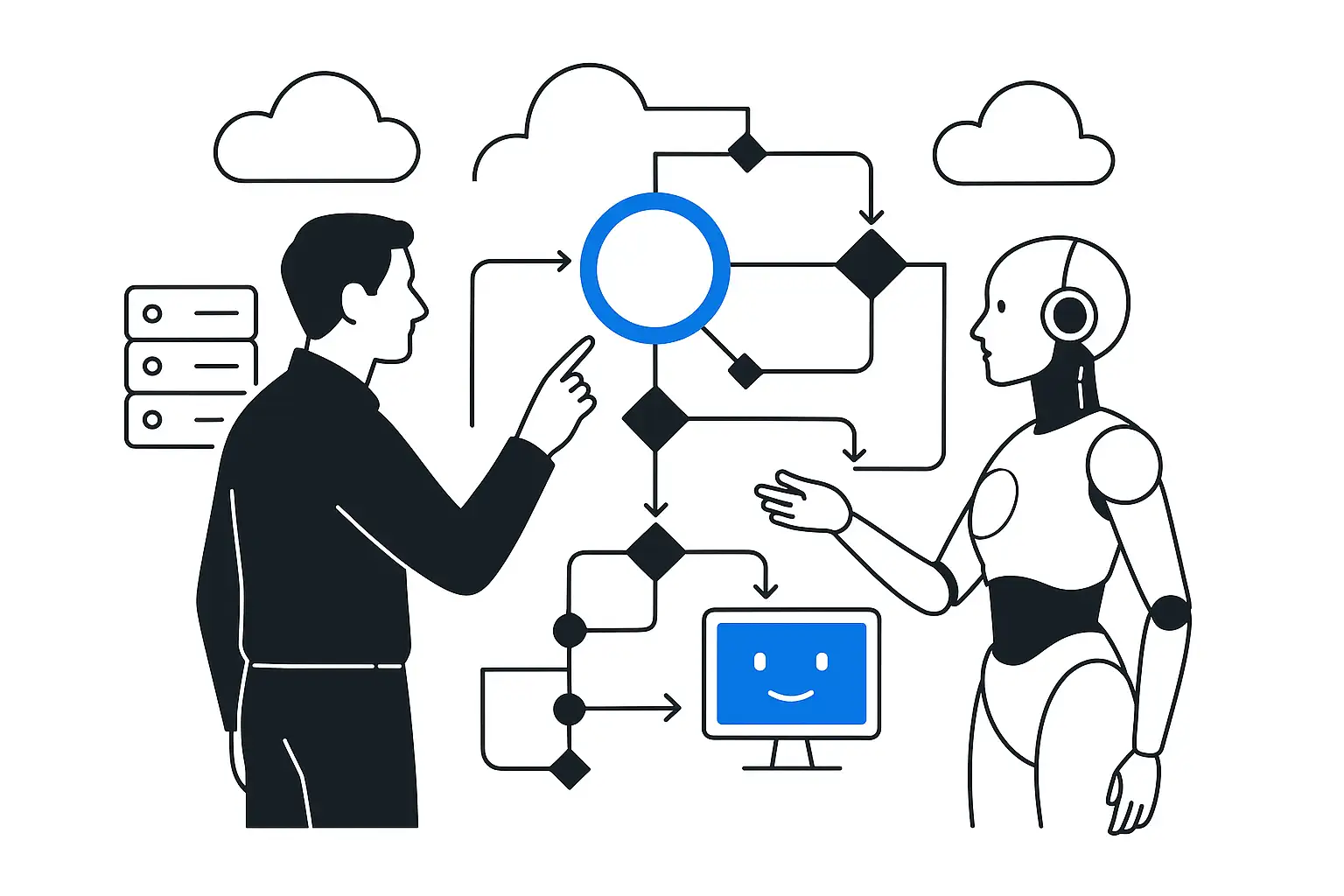
For example, AI reduces information processing time from 3 hours to 15 minutes by handling routine tasks dozens of times faster. In other words, with AI in place, the team stays the same, but constant firefighting goes away. Processes will no longer stall because of the human factor. The number of errors will decrease. The team will be able to focus on preventing problems and increase productivity.
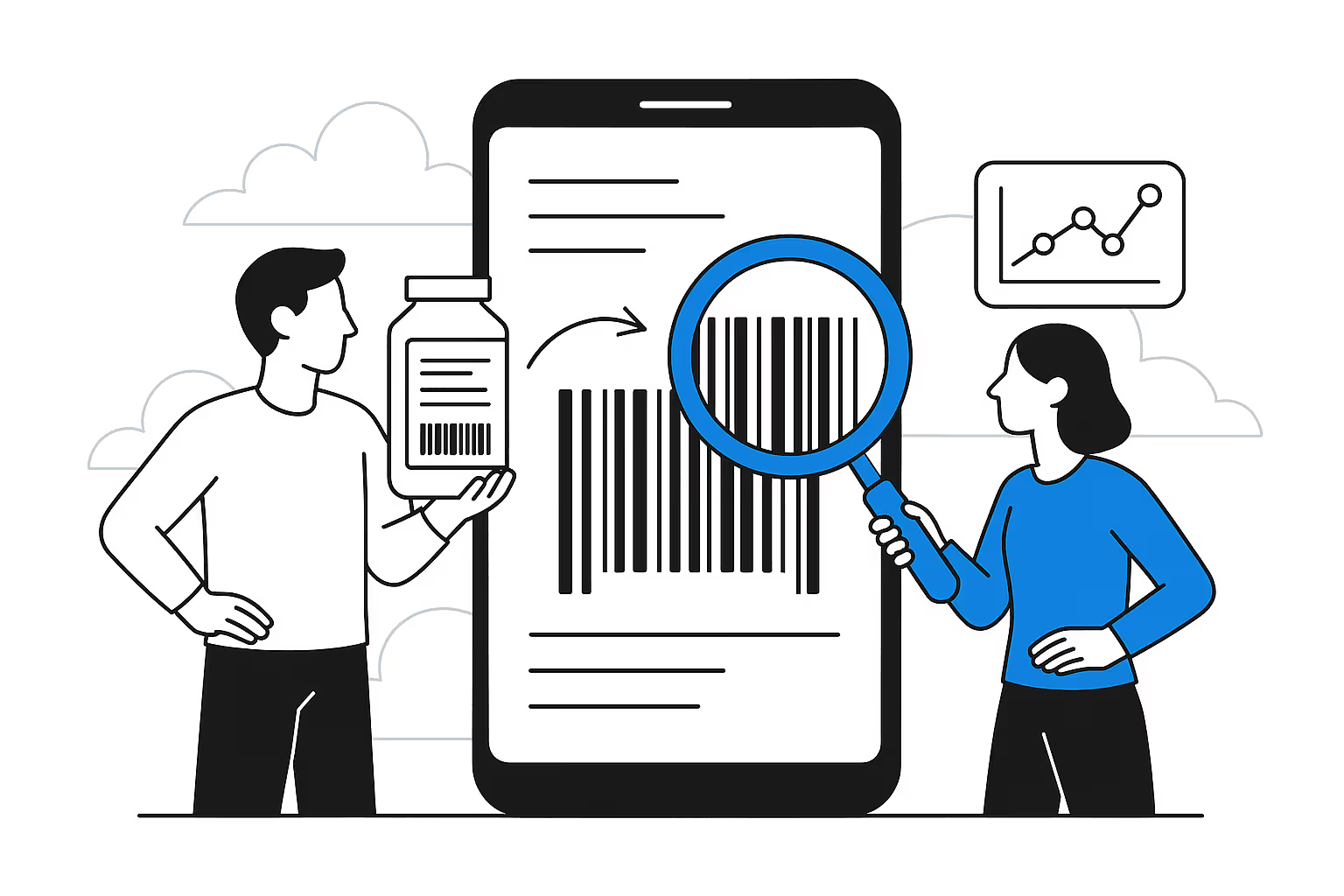
The company will get out of the operational crisis. Tasks AI can help with today: - listen to sales managers' calls and check them for script compliance; - process negative customer reviews and draw conclusions about product quality or the supplier's reliability; - verify that documents are filled out correctly; - find errors in large data sets; - advise employees on internal policies. The only challenge in making this transition is finding a vendor with relevant experience.
It is important that the company not only has AI implementation experience, but also understands how to integrate it into business processes. Then the transition will be smooth, and employees will quickly start using the new tools. Spoiler: KT.Team has exactly this kind of experience.
Discuss your challenge with an architect