
Construction companies lose profit not only because of rising prices, but also because of weak process control. Calculation errors, delivery delays, and scattered data lead to missed deadlines and budget overruns. Construction process automation helps eliminate these losses and manage projects based on up-to-date data. We explain what construction process automation is, which tasks it solves, and how to start implementation without unnecessary costs.
Construction process automation: how BIM, ERP, and digital technologies cut costs, speed up projects, and improve control
How BIM, ERP and digital technologies cut costs, speed up construction and improve project control.
- What construction process automation is
- Why construction companies need automation
- Production layer: technologies on the construction site
- BIM modeling
Blog
Operational Pain Matters More Than the Dictionary Definition
These materials connect WMS, TMS, 1C and construction to clear metrics: marketplace fines, stock accuracy, EPD and manageable integrations.
WMS
Receiving, picking, packing and shipment are examined through the lens of marketplace fine risk and SLA loss.
Slotting
A wrong bin turns into extra travel for the picker, lower productivity and picking errors.
TMS/ERP/Construction
EPD, EDI and GIS EPD are tied to an integration architecture without fragile point-to-point exchanges.
critical pain pointoperational gaparchitecturemetricmove to the solution
What construction process automation is
Construction Process Automation - it is the implementation of digital systems and equipment for calculations, metric monitoring, and simplifying tasks at every stage of construction. The process affects not only construction itself, but also management: planning, finance, documentation, and contractor coordination. A digital system calculates timelines, tracks costs, records deviations, and shows schedule and budget risks in advance.
This reduces manual work, lowers the number of errors, and speeds up decision-making. The manager sees the current situation at the facility and manages the project in real time. Why construction companies need automation Construction organizations implement automation to solve specific business tasks: 1. Labor shortage. According to estimates by the Ministry of Construction, the industry is short of workers by about 37%.
Salaries are rising, but the workforce is not growing. Automation helps reduce routine work and put specialists where they add the most value. 2. Rising cost of goods.Materials and labor are getting more expensive, and margins are shrinking. Companies are looking for where to cut losses. According to studies, construction process automation reduces costs by up to 20% and shortens timelines by 15-30%.
With an integrated approach, internal process costs fall by about one-third. 3. Low productivity. Projects often slow down because of downtime, planning errors, and uncoordinated actions. Automation helps control schedules, deliveries, and work execution, allowing companies to complete facilities faster.
4. Regulatory requirements. Starting in 2025, developers working under DDU agreements are required to use BIM - otherwise, you may end up without a construction permit. In other words, construction process automation becomes a necessary condition for doing business. 5. Errors and losses caused by human factors.Some costs arise from calculation errors, inconsistent data, and manual entry. The same metric can differ across estimates, schedules, and reports.
Automation synchronizes data and reduces errors - this lowers budget overruns and rework. Next, let us look in more detail at what exactly is automated in construction: from the job site to the management company.
Discuss your challenge with an architect
Production layer: technologies on the construction site
According to Remarcable, up to one third of material costs is "lost" during construction: due to accounting errors, stock mix-ups, theft, and inconsistent data. Construction process automation closes these losses.
BIM modeling
A BIM model brings architecture, structures, and MEP systems together in one environment.
All project participants work with up-to-date information, not different file versions. What this delivers in practice: - the system automatically calculates material volumes and reduces the risk of overspend; - designers find clashes and errors before work begins; - project changes are immediately visible to all specialists; - estimates and timelines are calculated from the actual model, not approximate data. According to expert estimates, BIM speeds up design by about 30%and significantly reduces the number of errors.
When moving to BIM, the business reduces material costs through accurate calculations and cuts the amount of rework on site.
Robots and unmanned equipment
Robots take on heavy and hazardous work where it is hard to control quality and timelines. What changes: - operations are performed without interruptions and with consistent results; - dependence on labor shortages is reduced; - work in hazardous areas is performed without risk to people; - schedules are easier to plan because there is no "human factor".
In real projects, the productivity of some robot-assisted work is comparable to that of a crew of several people. Another direction is modular construction. Factories produce finished building elements, which makes it possible to shorten timelines: social facilities are built more than twice as fast, and residential buildings about one third faster.
Drones and computer vision
Specialized drones are used to regularly capture the site's condition. What it delivers: - measurements take hours instead of several days; - the actual volume of completed work is recorded; - calculation errors are reduced; - it is easier to confirm volumes before paying contractors. These technologies speed up project stage closure several times over.
In addition, organizations use drones to inspect structures inside buildings - they identify defects without having to send specialists into hazardous areas.
Internet of Things (IoT)
Sensors and wearables show the real situation on site. What is controlled: - movement of employees and equipment; - resource utilization; - downtime and schedule deviations. Systems such as Work Watch track activity and show where working time is being lost. The manager receives data during the day and can respond to changes immediately instead of analyzing them after the fact.
Timeline planning
Digital systems create the work schedule and recalculate it automatically when changes occur. Result: - it is clear how any delay affects the entire project; - contractors are easier to synchronize; - schedule slippage risks can be identified in advance. Research shows these tools reduce project timelines by 15-30% by eliminating idle time and misalignment.
Budget and money
Financial systems include budget plan vs. actual analysis, while controlling project spending. What changes: - overspend is visible immediately, not in reports a month later; - requests are automatically checked against limits; - the amount of manual work decreases. These solutions make it possible to move from manual control to continuous budget monitoring.
Procurement and supply
The systems link procurement to the work schedule and warehouse stock, so the company does not hold excess inventory or tie up cash in materials. Result: - materials are purchased for specific stages; - excess inventory is reduced; - there are fewer stoppages due to resource shortages; - delivery schedules are easier to control.
Documents and reporting
As-built documentation and reports are generated from system data. What it delivers: - stages and periods close faster; - fewer errors occur; - it is easier to prepare documents for audits. For example, systems such as "1C:ERP Construction Company Management" reduce report preparation time and eliminate duplicate data.
Material accounting
This is one of the most costly areas, delivering direct savings and reducing losses on every site. Without automation: - up to 20% of materials are overspent; - 5-10% is lost due to errors and theft; - supply disruptions push back deadlines. After the system is implemented: - warehouse operations are completed much faster; - inventory accuracy reaches nearly 100%; - the manager sees actual stock levels and material movement.
Customer layer: sales and operations
Construction process automation does not end at the job site. A company earns most of its money at the sales stage and loses it during operations if processes are not controlled. That is why developers automate customer management and facility operations after handover.
CRM for developers (amoCRM, Profitbase) CRM links sales to actual project data: prices, available apartments, and completion stage. What changes: - requests are automatically entered into the system and do not get lost; - the manager sees prices, stock, and floor plans without asking other departments; - pricing, promotions, and terms are calculated without manual spreadsheets; - deal status is updated in sync with construction stages.
Thanks to the system, requests are processed faster, sales errors decrease, and conversion grows without expanding headcount.
Digital twins of buildings. After the facility is delivered, the model continues to be used for operations management. How it works: - data on engineering systems and equipment is stored and updated; - the system records operating deviations (temperature, pressure, wear); - issues are identified before failure, not after; - maintenance is planned based on actual condition, not rules of thumb. This is especially important for high-load facilities: residential complexes, commercial real estate, and infrastructure.
Discuss your challenge with an architect
ERP system ERP connects sales, construction, and finance in a single environment.
The software solves a key problem: when sales, construction, and finance work separately and produce different information. As a result: - data on the facility, deals, and costs is synchronized across departments; - sales proceeds are immediately reflected in the project financial model; - it is clear how sales pace affects construction funding; - management decisions are made using current figures, not scattered reports.
The company controls not only construction, but also the project cash flow, from the first contract to facility operations. Let's compare construction process automation technologies by how they work and how they affect business efficiency:
| Technology | What it does in practice | Business Impact |
|---|---|---|
| BIM / TIM | Brings project data together in one model. The system calculates quantities, finds clashes and updates data when changes occur. | Fewer errors, faster approvals. Design speeds up by up to 30%, material overruns are reduced. |
| Robotic automation | Performs repetitive, heavy, and hazardous work without breaks. Ensures consistent process quality. | Reduces dependence on labor and speeds up project stages. The productivity of some tasks is comparable to a team of several people. |
| Drones | They survey the site, build accurate site models, and record actual conditions. scope of work, and deviations. | Measurements take hours instead of days. Stages close faster and disputes with contractors decrease. |
| IoT and sensors | Track the movement of personnel and equipment, record utilization and downtime, They collect data in real time. | It is clear where time and resources are lost. Actual utilization increases of personnel and equipment. |
| Material accounting | Controls material flow from procurement to installation. Compares plan versus actuals and records deviations. | Cuts overconsumption by up to 20% and reduces losses and theft. Speeds up warehouse operations and raises inventory accuracy to nearly 100%. |
| ERP systems | Combine finance, projects, procurement, and analytics in one system. Eliminates fragmented data. | Managers see the full picture of the project. Time losses are reduced and approvals move faster, operating expenses are reduced. |
| Digital twin | Stores site data after handover. Tracks equipment condition and system wear. | Reduces operating costs and helps plan maintenance and avoid incidents. |
| CAD Integration with ERP | Transfers design data directly into accounting and procurement without manual entry. | Speeds up calculations by 2-3 times and reduces errors and data duplication. Requests and changes are processed faster. |
Where to start with automating a construction company
To get results, it is important to build the automation process step by step - from analyzing current problems to implementing and scaling solutions. Step
Understand how the processes work now Start by capturing the real picture - trace how data moves through the company, from request to job completion. See who passes information and when, where it is duplicated, and where delays occur. Often this is the stage where it becomes clear why deadlines are missed and costs rise. It is important to involve not only managers in the audit, but also frontline staff: foremen, procurement staff, and accounting, since they can better see where processes fail.
Otherwise, there is a risk of accelerating existing problems with a new system. Step
Set goals in numbers Losses need to be translated into specific targets
For example: reduce material overruns, speed up the closing of reports, and shorten construction timelines. You need to define upfront how you will measure the result. If a goal cannot be verified in numbers, the system will not deliver a clear effect. Do not set the task of "automating everything at once" - it is better to choose several areas where results can be achieved in the coming months. Step
Choose priority processes Automate the areas with the most waste and manual work. Usually this is procurement,
Material accounting
, as-built documentation and budget control. When choosing, focus on two factors: how much the process affects money and how clearly it is already understood inside the company. If the process is not documented and everyone works "their own way," first bring it into order, then implement the system.
Step 4. Choose the system for the tasks, not the other way around
Once you have goals and clear processes, you can choose a solution. The system should reflect construction specifics: working with schedules, KS-2/KS-3 certificates, estimates, and materials. Check in advance whether the software can exchange data with the tools you already use. Look beyond the system's functionality: ask whether the vendor has experience implementing similar solutions specifically in construction and how post-project support is organized.
This determines whether the system will actually work on site.
Step 5. Launch a pilot
Start with one site or one process to test how the solution works in practice and fix errors without major costs. You will get measurable results and be able to compare metrics before and after. This information will help justify further rollout and reduce resistance within the team.
Step 6. Train employees and establish work in the system
The solution will not deliver results if employees do not start using it. Explain how the software simplifies work: removes routine tasks, reduces rework, and speeds up approvals. Training should be hands-on. Employees should understand not only where to click, but why it matters. In the first months, it is important to support the team, otherwise specialists will return to Excel and manual workflows.
Step 7. Scale and refine
After the pilot project, the system can be gradually rolled out to other sites and processes. It is important to collect feedback and refine the solution for real needs.
How a Python-based system helped a developer find construction issues faster
Problem: large developer was managing more than 50 projects at once, but could not see the current schedule status. Site data arrived late, so problems were discovered weeks or months later. By then, the schedule had already slipped, and it was impossible to fix the situation without losses. Each day of delay cost about 200,000 rubles, excluding penalties. The cause was fragmented systems and manual data updates.
Schedules were kept in Microsoft Project and internal tools, with each system using its own calculation logic. Deadlines for the same stage did not match, and actual site data was updated manually and irregularly - after communicating with contractors. Solution: our experts developed an automated solution for the developer a construction work control system. The system collects data from all sites and updates timelines immediately.
Contractors now send reports through the app several times a week, and actual progress is additionally verified with cameras and drones. Our specialists also aligned all calculations to a single logic to remove discrepancies between programs: whenever data is updated, the system automatically recalculates the forecast by construction stage and immediately shows deviations. Results: - The team started seeing deviations on the day they appeared, not months later.
This made it possible to address issues at an early stage, before they affected delivery deadlines. - The company eliminated duplicate systems, leaving a single source of truth. Planning became more accurate: the data is used for procurement, hiring contractors, and issuing documentation. - The main effect is lower losses from delays. Previously, every day of delay cost the business a significant amount; now the risks of such situations are controlled in advance. The case shows: automation gave control over timelines.
When information is updated regularly and the system immediately shows deviations, the company manages the project as it happens instead of dealing with the consequences.
Discuss your challenge with an architect
Discuss the article: Construction process automation: how...
Related Cases

SSO and service catalog in 2 months
- SSO and a contractor service portal launched in 2 months
- Support workload decreased
- Contractor onboarding sped up
Pimcore PIM for SberCity
- Consolidated property data in one PIM
- Prices and statuses are updated across all systems
- Actual floor areas are automatically entered into billing
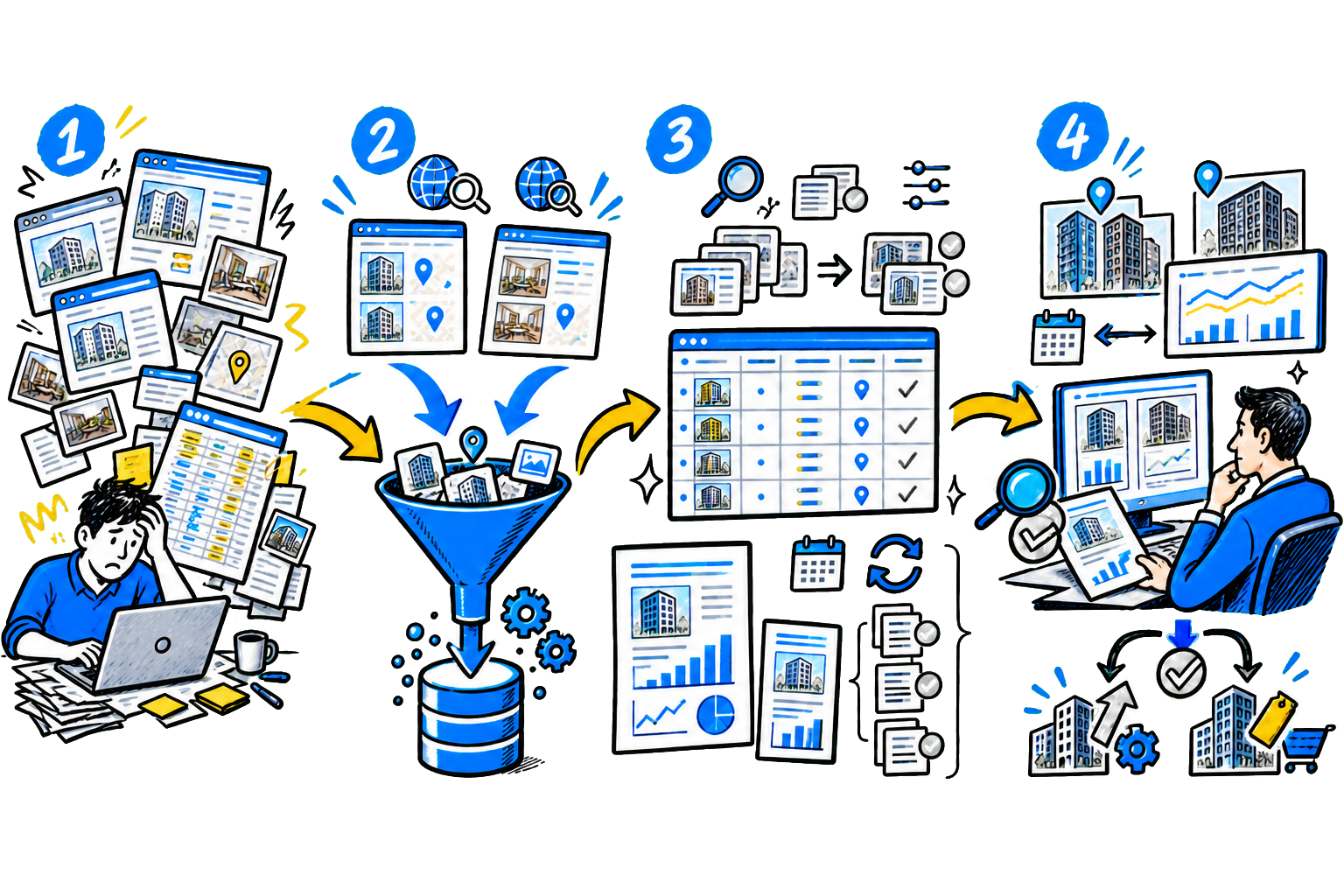
AI housing market monitoring for Stroytekhservis
- Built the service in two months
- 3,000+ listings
- Reports and history of 20+ launches
Related solutions
Articles on the topic
Related videos


News on the topic
- Version 2.6.1.64 of the ERP Enterprise Management configuration has been released
- New versions have been published on the 1C:ITS portal: 2.6.1.64 "ERP Enterprise Management"; 2.10.2.25 "EDI Client 8 Basic"; 2.6.1.64 "Comprehensive Automation"; 1.3.283.1 "Manufacturing Enterprise Management"; 11.6.1.64 "Trade Management"; 11.6.1.64 "Trade Management Basic"
- New versions have been published on the 1C:ITS portal: 2.5.27.88 "1C:ERP WE (English code)" 2.5.27.88 "1C:ERP WE (with CIS code)" 2.5.27.88 "ERP Enterprise Management" 3.1.12.323 "Standard Subsystems Library" 2.5.27.88 "Comprehensive Automation" 11.5.27.88 "Trade Management" 11.5.27.88 "Trade Management Basic"
- Odoo Launches Dedicated ERP Education Program in Australia and New Zealand