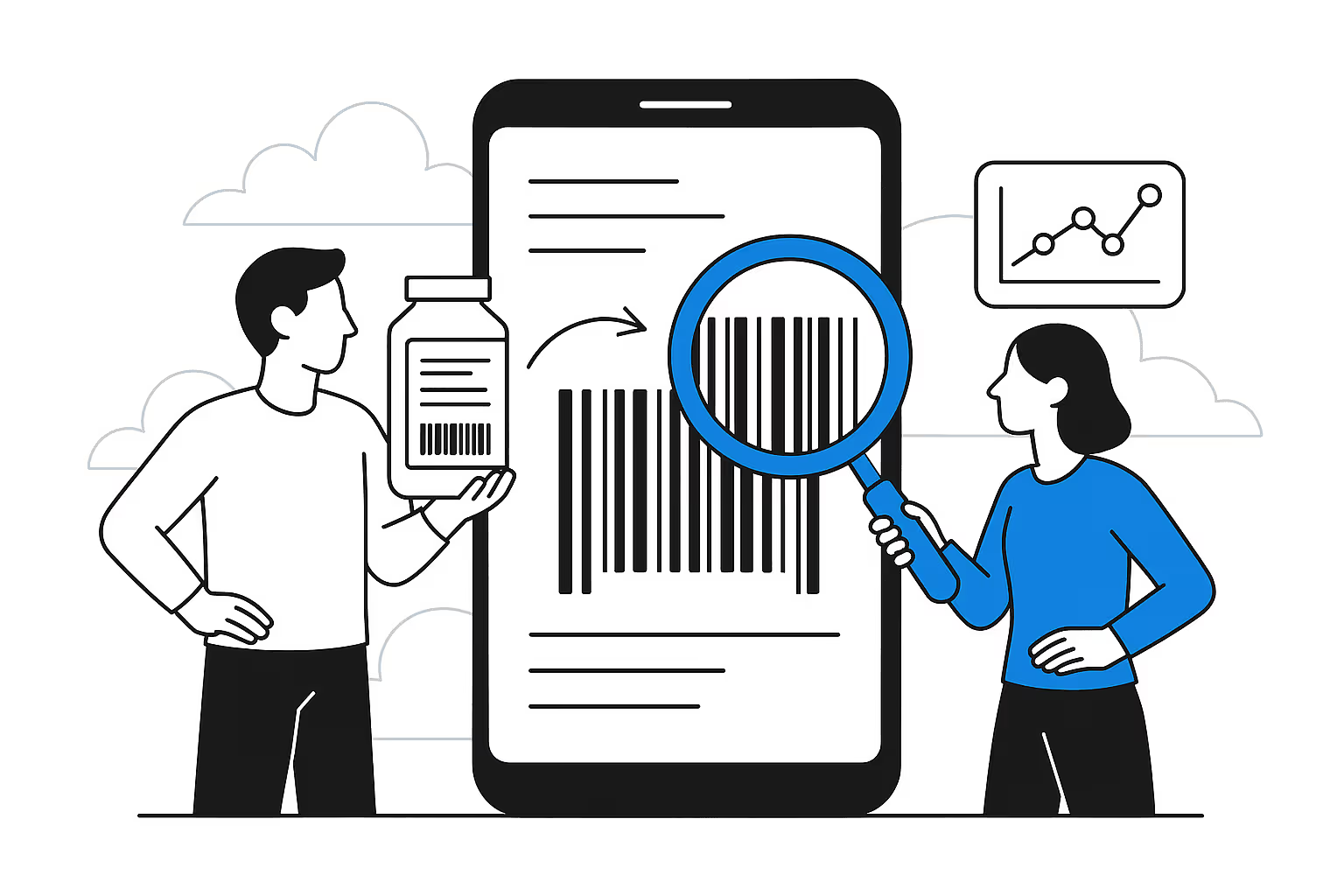
Meta One: AI Gets a Meter and a Price Tag

Meta introduced paid AI limits in Meta One, with 15 million subscriptions at launch. Why this changes AI product economics and what businesses must now measure.

  • The number matters more than the announcement
  • Unlimited AI has ended as a business model, not as a promise
  • How it works technically
  • Outcome versus feature

The number matters more than the announcement

  1. Meta launched the Meta One subscription and, in doing so, closed the era when access to AI in consumer products was considered a free add-on to social media.

  2. The mechanics are simple: the basic feeds, chats, and filters in Facebook, Instagram, and WhatsApp remain free, while expanded Meta AI usage—image and video generation, higher request limits, creator tools, and business features—is sold separately.

  3. According to the company, the service has already attracted 15 million subscriptions and trials through the gradual rollout of more than 50 features.

  4. Fifteen million subscriptions and trials at launch mean that millions of people are already paying for AI usage volume.

  5. Previously, this willingness to pay had not been measured anywhere—the industry treated AI as a free add-on to social media. Meta was the first company of this scale to acknowledge publicly that inference costs money, and that either the user pays through a subscription or the business pays through its margin.

Unlimited AI has ended as a business model, not as a promise

Meta is introducing an explicit meter where an implicit infrastructure limit operated before—free AI has not disappeared; the way it is accounted for has changed. For businesses, this is a signal of what lies ahead: if the largest platform, with trillions in turnover, must measure AI consumption and sell quotas in tiers, a company with a normal IT budget certainly cannot afford unlimited language-model calls without tracking who makes them, how many, and why.

How it works technically

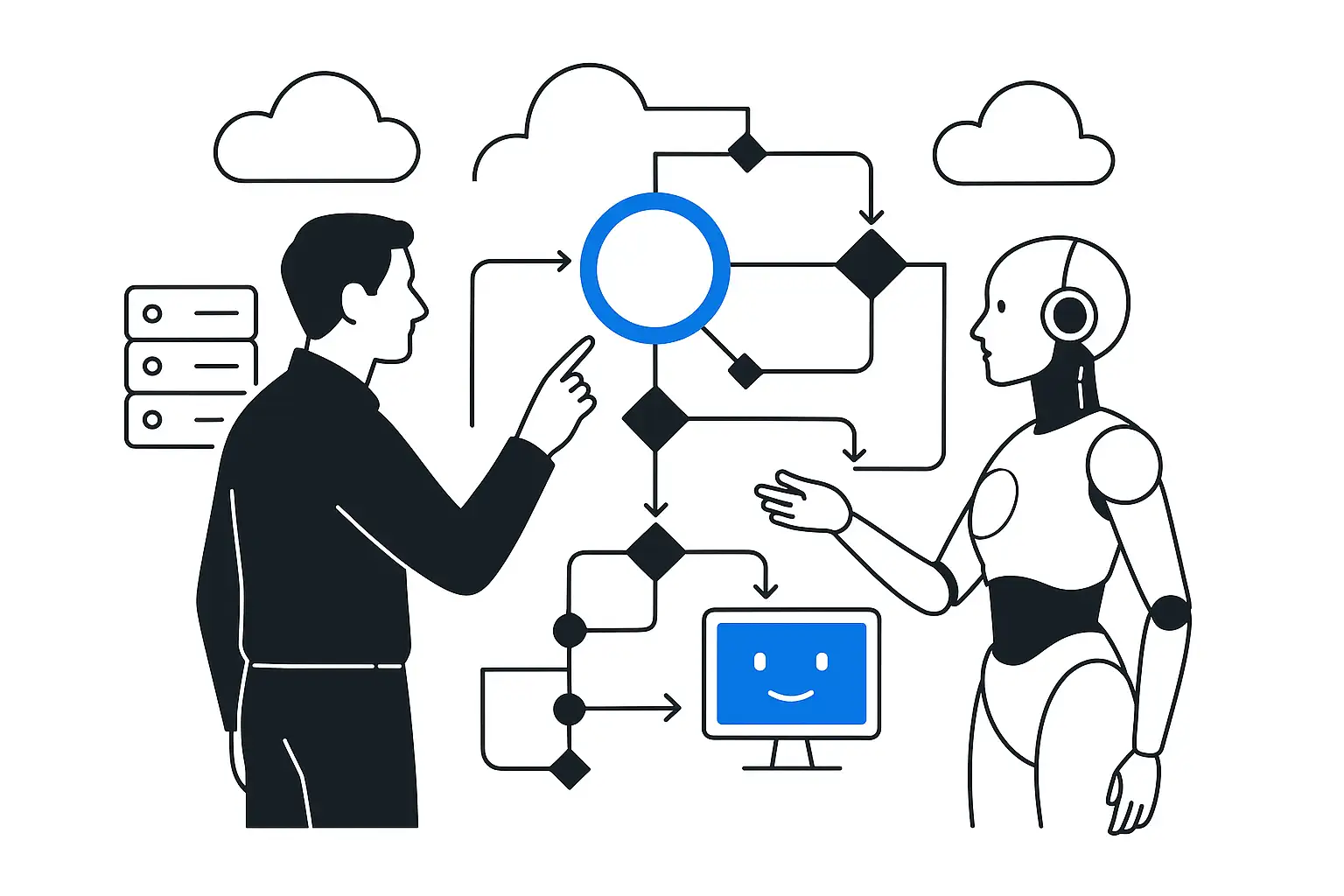
  1. Behind Meta One’s pricing structure is an infrastructure layer: a gateway that intercepts every request to Meta AI, identifies the user’s plan, counts tokens and generations, enforces limits, and, when necessary, routes the request to a cheaper or more powerful model.

  2. This is exactly the pattern addressed by KT.Team’s LLM & Security Gateway: a single entry point for all requests to language models, quotas by department and project, routing between providers (OpenAI, Anthropic Claude, Sber GigaChat, YandexGPT, Alibaba Qwen) based on cost and task complexity, and a complete audit log of requests.

  3. Calling the API directly from a feature’s code works while there is only one use case.

  4. Once pricing plans, limits, different models for different tasks, and the need to explain AI spending to the CFO appear, a gateway becomes essential.

Assess where AI can deliver impact in your process

Outcome versus feature

In the same news cycle came the story of Canadian startup smartARM: a bionic hand prosthesis in which computer-vision AI determines the right grip for an object automatically, without manual mode switching, with optional integration through Meta AI glasses. Here, AI gives the prosthesis a new capability: independently choosing the grip for an object without manually changing the mode.

Alongside them in the same announcement series were banners and card widgets for podcasts in Threads: engagement-focused cosmetics that do not move any business metric on their own. The difference between these two stories is exactly why some AI projects deliver results while others remain investor presentations. The prosthesis’s time to use is measured in seconds from hand grip; the feed banner’s is measured in engagement that still has to be proven.

What this means for business right now

If AI features already exist in a product or internal processes—chatbots, content generation, or RAG search across a knowledge base—it is worth asking the question Meta has only just confronted while moving to a paid model: who exactly is spending the AI budget, on what, and how much does it cost per specific result? If the answer is “we do not track it,” there is a hole in the P&L that simply has not yet appeared in the report.

Tracking the cost of AI requests, setting limits by role and project, and assigning models by task criticality is the engineering work without which “simple” AI use in production remains a polished demo.

Conclusion

Meta One extends far beyond social media: it is the first public price list for AI consumption from a company of this scale, effectively setting expectations for the entire market—free unlimited AI was a transitional phase, not a permanent state. Companies that can already measure the cost of every AI call and link it to outcomes rather than feature count will enter the next year with an advantage. The rest will have to learn on the fly—and, as usual, at a higher cost.

Discuss the article: Meta One: AI

Enter your email or phone number so we can get back to you.

Send via: