Extraction accuracy
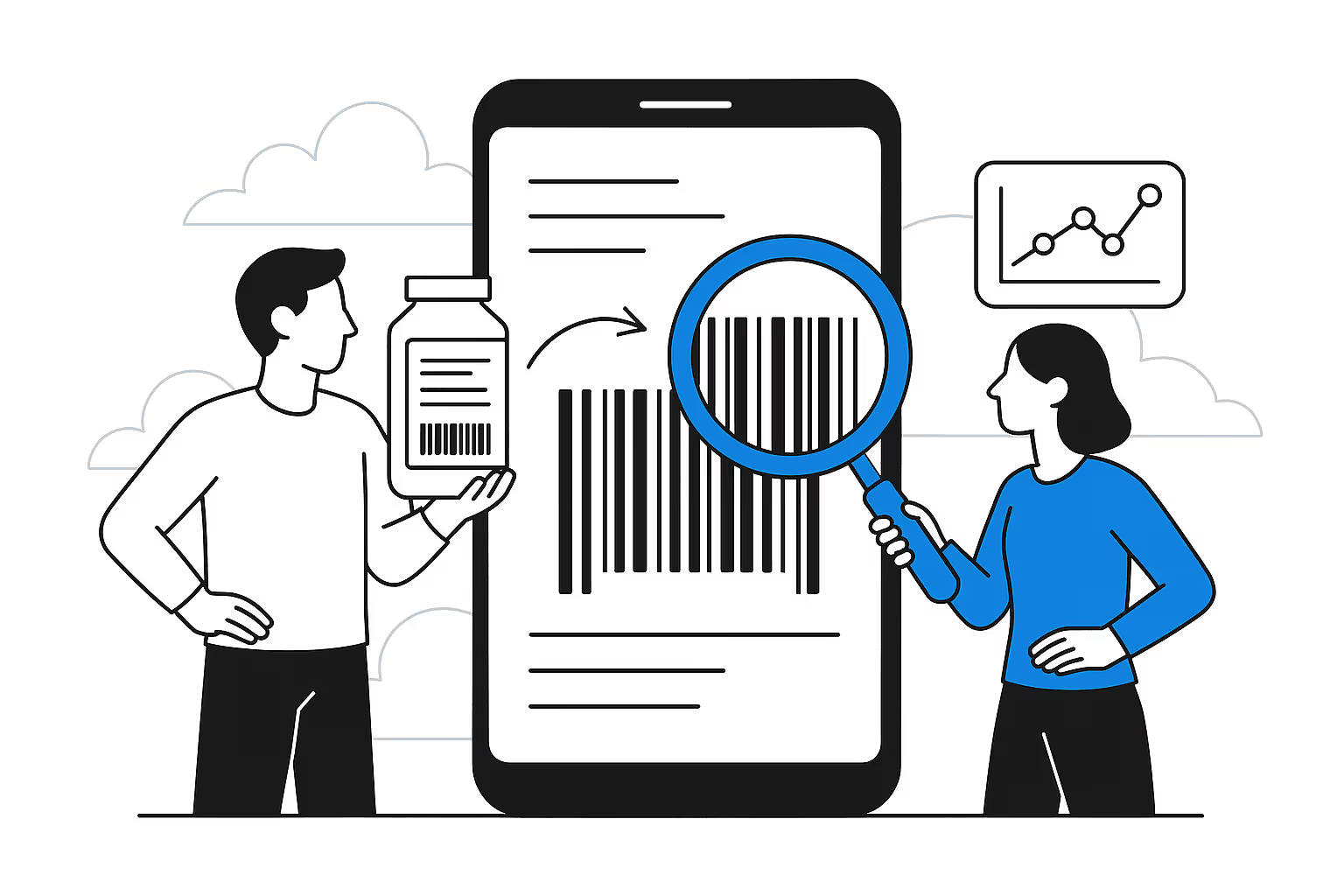
Proportion of fields correctly transferred from proposals to a unified structure.

AI
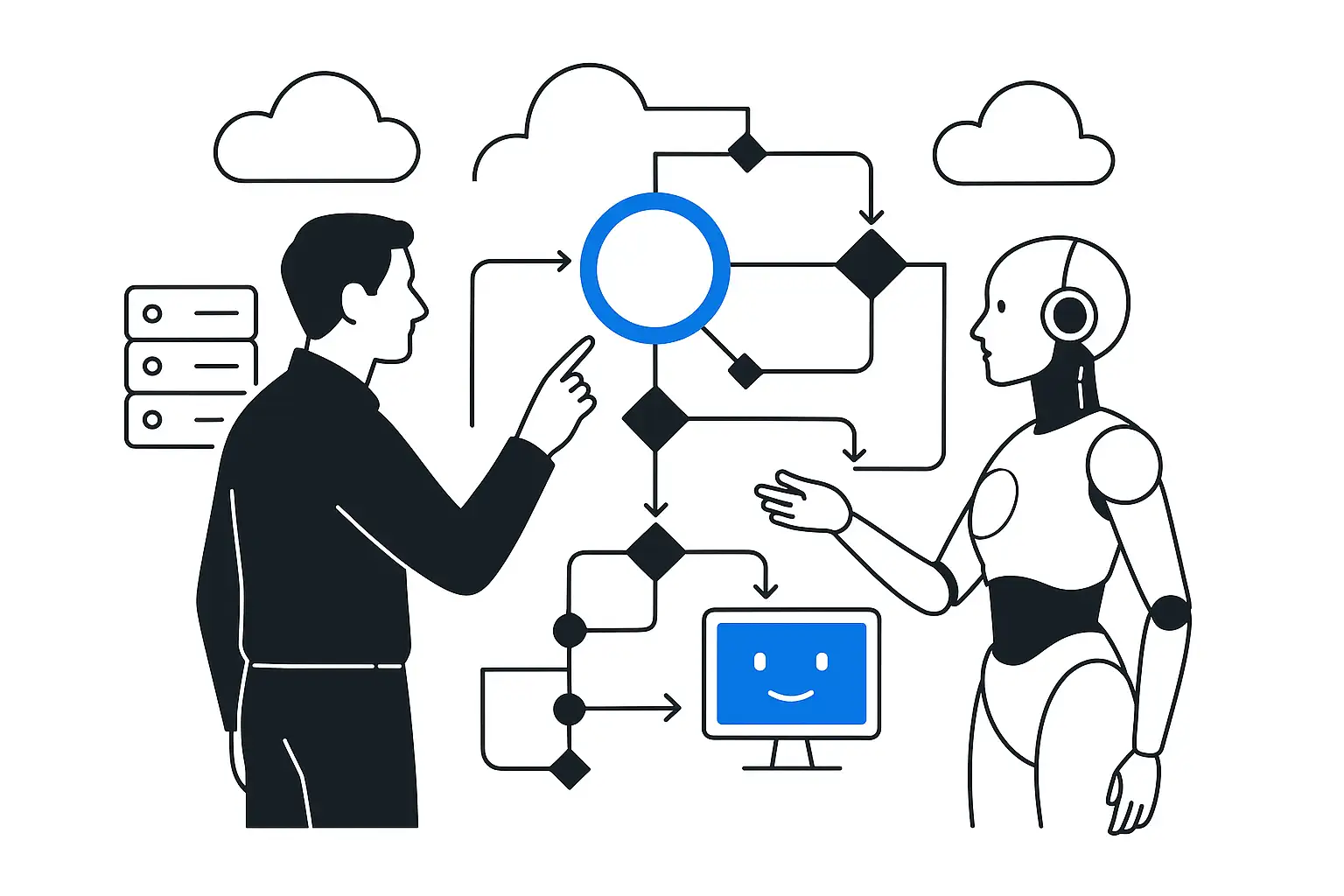
An AI assistant extracts terms from vendor proposals, compares suppliers by procurement rules, and prepares an auditable summary for the committee.
Our clients









The assistant retrieves commercial proposals from an agreed-upon channel: email, form, file storage, or procurement system.
The model populates a unified structure: item master, price, delivery term, payment, warranty, and other procurement fields.
Each proposal is matched against specifications, thresholds, and mandatory conditions.
System calculates scores using approved methodology and separately shows missing data and deviations
The commission receives a summary, links to source documents, and a list of questions for suppliers.
After verification, data and documents can be returned to 1C, SAP, Directum, SBIS, or another target system.
| System / layer | Scope of responsibility |
|---|---|
| Channels and storage | Receiving original proposals and preserving the unchanged original. |
| Extraction module | Field recognition and binding each value to its source |
| Procurement rules | Comparison criteria, weights, thresholds, and mandatory conditions. |
| Procurement commission | Exception verification, clarification requests, and final supplier selection. |
| ERP or DMS | Tracking approved decision, documents, and subsequent operations |
First measure the current process, then compare the assistant against the same control sample
Proportion of fields correctly transferred from proposals to a unified structure.
Proportion of known specification mismatches found by the assistant.
How many values and conclusions the expert changed before the committee's decision
Time from receiving a complete set of commercial proposals to a verified comparative summary.
FAQ
No. It prepares the basis for the choice: it extracts agreed fields from the proposals, compares offers using your methodology, and shows deviations from the specification. The final decision and all exceptions remain with the procurement committee - the assistant is responsible for data completeness and traceability, not for the verdict.
For every value, a link to the source document and page is preserved, so any figure in the summary can be traced back to the original. The unchanged original proposal is stored separately from the processing result.
An anonymized sample of commercial proposals in different formats, a specification or request with mandatory and desirable requirements, the current supplier evaluation methodology with a list of allowed exceptions, a sample committee summary or report, and an expert to label the control sample.
First we measure the current process, then we evaluate the assistant on the same control sample across four metrics: field extraction accuracy, completeness of identified deviations from the specification, the number of manual expert corrections, and the time from receiving the proposal set to a ready comparison summary.
Documents are collected from an agreed channel - email, a form, file storage, or a procurement system. After validation, the data and documents are returned to 1C, SAP, Directum, SBIS, or another target system, where the approved decision is recorded.
This is the buyer side: incoming supplier proposals are analyzed according to your procurement rules. The reverse flow - participating in procurement on the supplier side - covers AI Tender Bidding Assistant.
Pilot
We take an anonymized sample of proposals, align on fields and criteria, compare results against expert markup, and show the rate of manual corrections.