Source accuracy
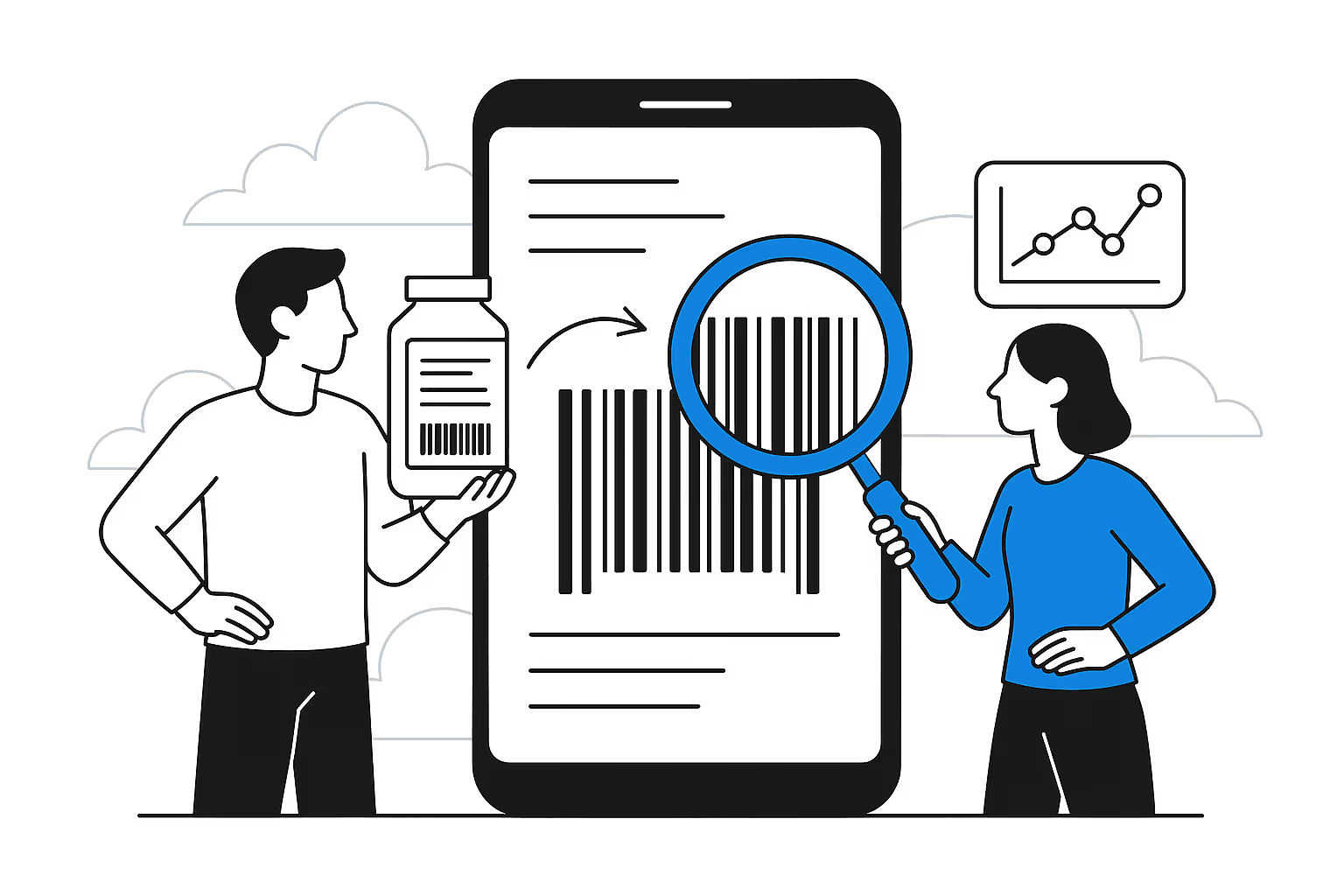
Share of responses where the assistant selected the correct document and its current version.

AI
The AI assistant finds current rules in your knowledge base, shows the source, and routes disputed answers to the right owner.
Our clients












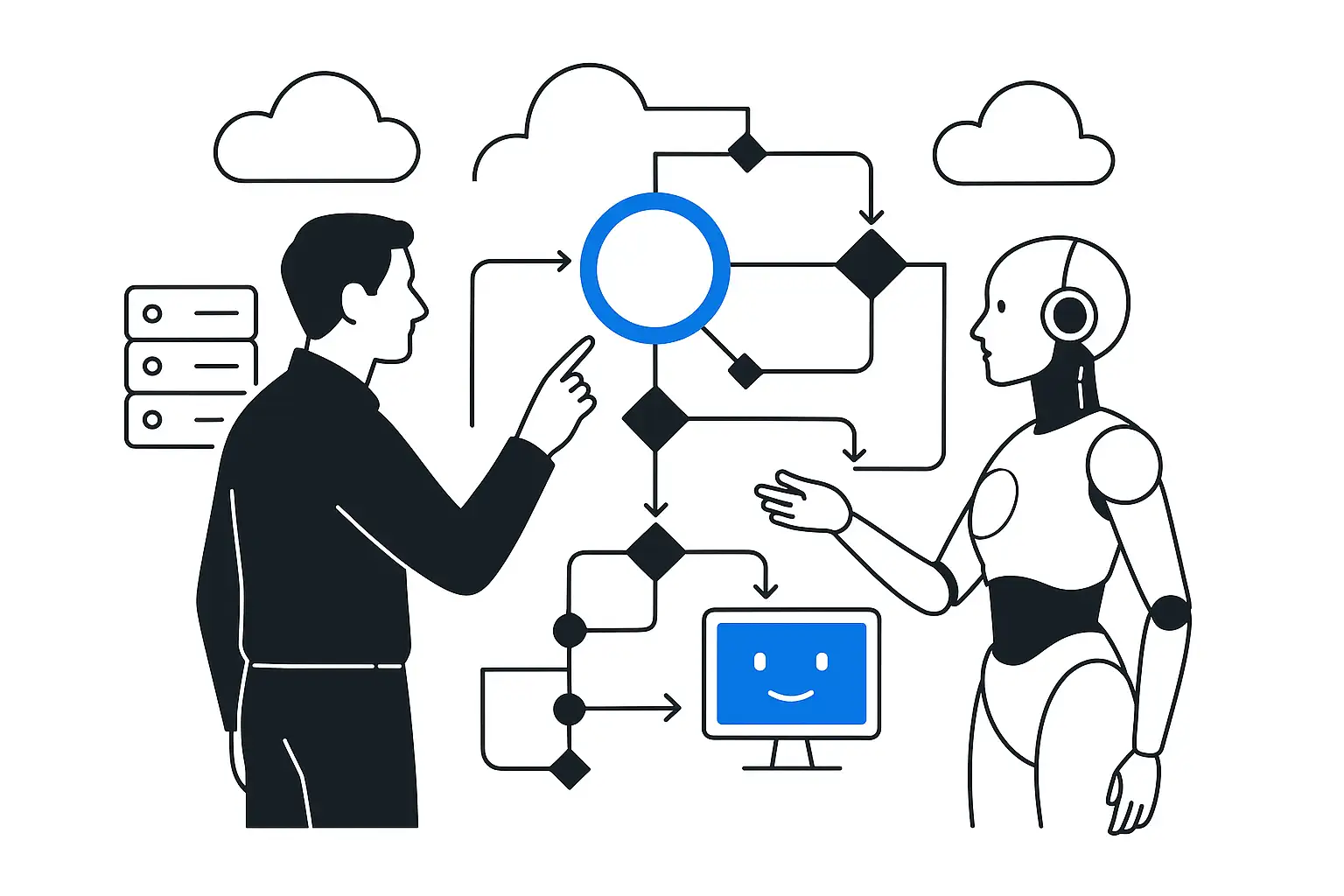
Employee writes in the corporate portal, messenger, or other agreed interface.
The system determines which documents and sections are available to this employee.
Search returns relevant fragments of current documents along with their versions.
The model explains the rule in plain language and provides a link to the source.
Low confidence, version conflicts, or missing rules create tasks for the knowledge owner.
| System / layer | Scope of responsibility |
|---|---|
| Knowledge base | Approved documents, versions, effective dates, and rule owners. |
| Search and RAG | Fragment selection, source links, and context limitation. |
| Access perimeter | Employee roles and restrictions on access to confidential documents. |
| Log and evaluation | History of questions, sources, corrections, and control sample results. |
| Knowledge owner | Review of disputed answers and publication of the current rule version. |
Before launch, we establish a control sample of questions and measure results on the same data.
Share of responses where the assistant selected the correct document and its current version.
Share of control questions where the answer contains all mandatory rule conditions.
No retrieval of documents inaccessible to the test role.
Share of responses that the knowledge owner corrected or sent for revision.
FAQ
Only from approved knowledge bases and corporate repositories. Search returns excerpts from current documents along with versions, and the response shows the document, section, and rule version the conclusion is based on. The model explains the rule in plain language, but the source can always be opened.
No. Access rights are inherited from the corporate environment: the system first determines which documents and sections are available to a specific employee, and only then searches for an answer. In the pilot, the absence of closed documents in the results for the test role is checked with a separate acceptance criterion.
The request is sent to a person. Low confidence, version conflicts, or a missing rule create a task for the knowledge owner; the assistant does not invent the missing rule on its own. It also shows which questions are not covered by documents at all.
A control sample of questions is fixed before launch, then we measure on the same data set: source accuracy (whether the correct document and its current version were selected), answer completeness (whether all mandatory rule conditions were named), access security, and the share of answers that the knowledge owner corrected or sent back for revision.
We start with one type of recurring question: one knowledge owner, one document set, one working channel, and verifiable acceptance criteria. This makes the impact visible in a limited scope, and the knowledge base can then be expanded using a proven approach.
Pilot
Select one type of recurring question, agree on sources and access rights, then establish a control sample and acceptance criteria.