AI Integration Economics: Caching, Small Models, Flexible GPUs

Three AWS releases show where AI savings are real: prompt caching, a task-specific model, and flexible GPU selection—not choosing the most expensive model.

  • Three Amazon posts about the same thing
  • The model is not where the money is counted
  • Three levers that drive cost and speed
  • What this looks like in integration projects

Three Amazon posts about the same thing

  1. Over the past few weeks, Amazon has published three pieces on the same topic: how to reduce the cost of an AI system through engineering around the model.

  2. First, an automated product-catalog tagging pipeline on SageMaker without manually labeling thousands of SKUs.

  3. Second, prompt caching in Bedrock can reduce input-token costs by up to 90% when context is repeated.

  4. Third, preferred GPU lists for SageMaker training jobs, so a job does not wait in a queue because one configuration is busy.

  5. Three different tools address one business goal: reducing TTU—the time from launching an AI feature to the moment it actually delivers a result.

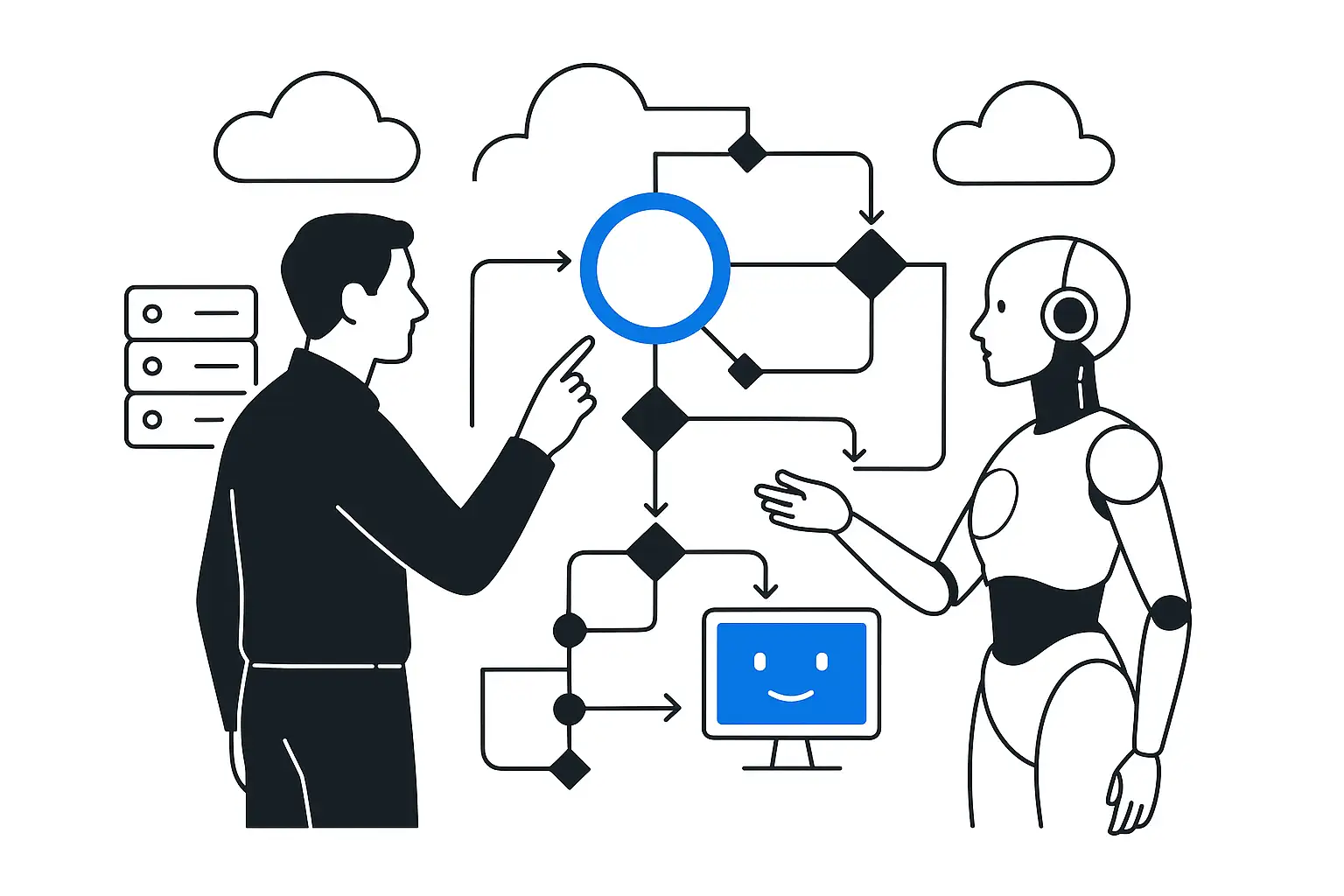
The model is not where the money is counted

  1. A company launching an AI project almost always focuses on model selection: GPT-5, Claude, Gemini, a local Llama, or Qwen.

  2. This decision determines the architecture, but affects the final bill less than it may seem.

  3. Money is wasted on repeated calls with the same context, idle GPU jobs, and a general-purpose model forced to perform narrow mechanical work—for example, assigning tags according to a fixed catalog taxonomy.

  4. AWS offers engineering solutions specifically for these three areas.

Assess where AI can deliver impact in your process

Three levers that drive cost and speed

  1. ### Caching instead of repeatedly processing context Bedrock prompt caching solves a simple cost problem: a 10,000-token contract sent with 50 user questions without caching means 500,000 tokens paid at the full rate for content the model has already seen. With caching, the system pays once to process the context and repeatedly for inexpensive reads from the cache.

  2. For RAG systems and AI agents with a large system prompt (company procedures, catalog schema, brand rules), the token bill drops with the very first repeated request. ### A specialized model for a specialized task

  3. Catalog tagging is a good example: a frontier model with prompt engineering solves the task expensively and produces an inconsistent output format.

  4. When the taxonomy is stable and the SKU count reaches the thousands, it is more cost-effective to customize a compact model for a specific attribute schema. The result is predictable JSON without investigating frontier-model hallucinations on every tenth product. ###

  5. GPU flexibility instead of queueing Instance preference lists in SageMaker AI let a job specify a list of suitable GPU configurations instead of one fixed configuration. During peak demand, the system finds available capacity from the list instead of requiring an engineer to try alternatives manually or leaving the training process idle in a queue.

  6. Engineering time is saved—the same TTU principle as caching, but during model training.

What this looks like in integration projects

The same logic applies in practice when working with product catalogs on Akeneo, Pimcore, Saleor, and Magento: catalog tagging and facet rules (taxonomy, facets) remain stable for months, so a specialized customized model with a cached system prompt can handle them instead of making an expensive frontier-model call for every SKU. Manual tag overrides (tag-overrides) remain targeted, human-controlled edits without rerunning the model across the entire catalog.

In this architecture, LLM & Security Gateway routes calls: it decides which go to the cache, which go to a specialized model, and which genuinely require a reasoning frontier model. Without this layer, the company pays frontier-model prices for mechanical work that could be handled at a fraction of the cost.

Conclusion

A large model alone does not make an AI project fast and affordable. The engineering around the call does: what is cached, which model handles each task type, and how the system manages available GPU capacity. A simple result—a product tagged correctly, a response delivered in one second, or training that does not wait in a queue—requires sophisticated engineering under the hood. Companies that understand this spend less on AI and get results faster than those that connect the most expensive model to their catalog.

Discuss the article: The Economics of AI Integrations: Caching, Specialized…

Enter your email or phone number so we can get back to you.

Send via: