







Client
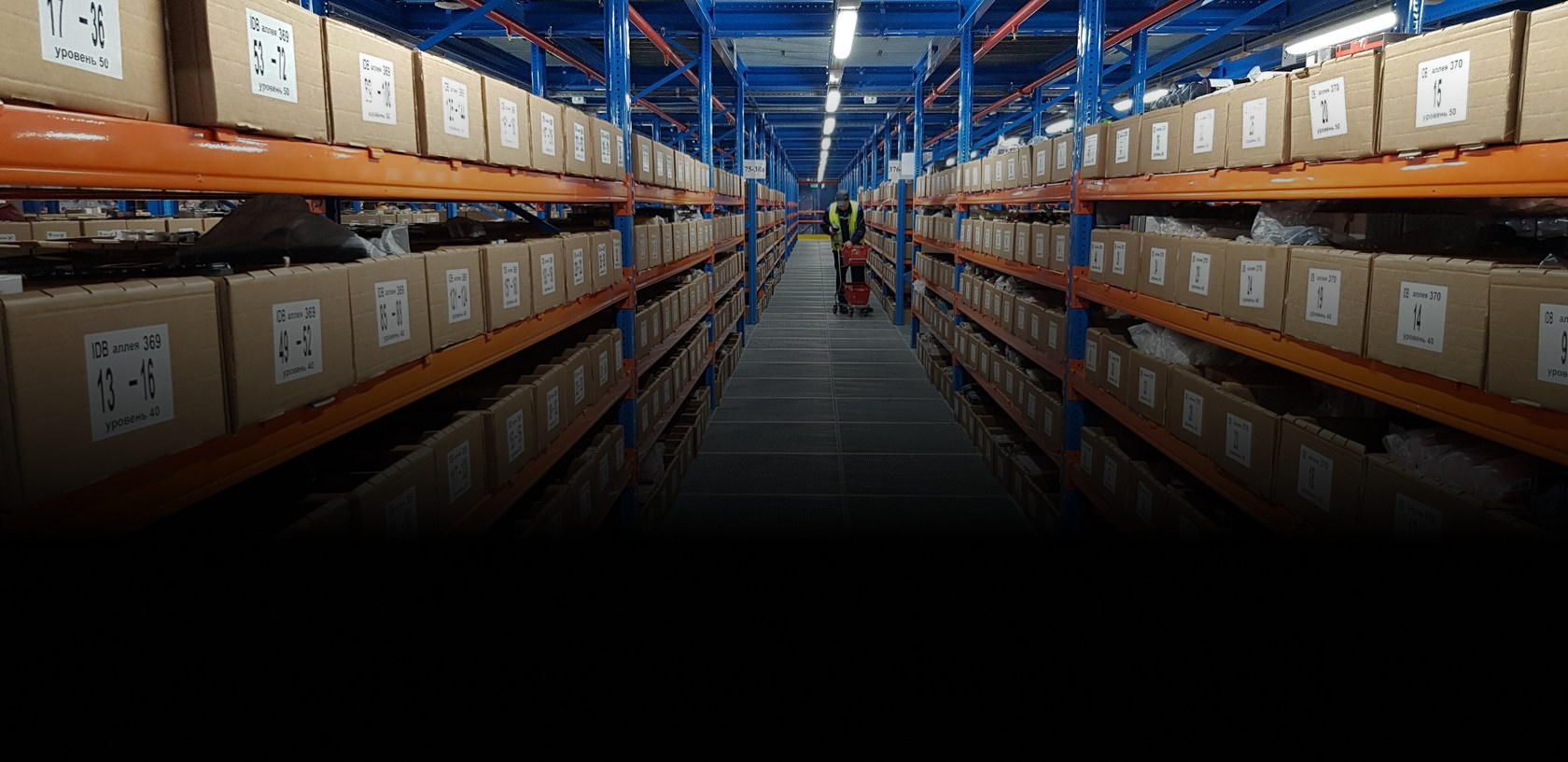
FM Logistic is an international logistics corporation headquartered in France. Nestle, Wrigley, Auchan, Michelin, Volvo, and more than a thousand other major companies trust it with their logistics. In CIS, FM Logistic operates 22 warehouse complexes with a total area of more than 816,000 sq. m.
FM Logistic provides the full range of logistics services, from transportation and warehousing to picking and delivery of B2B and B2C orders to the recipient. The services are delivered conveniently, transparently, and reliably at every stage of interaction between the company and its client.
The challenge for FM Logistic's business
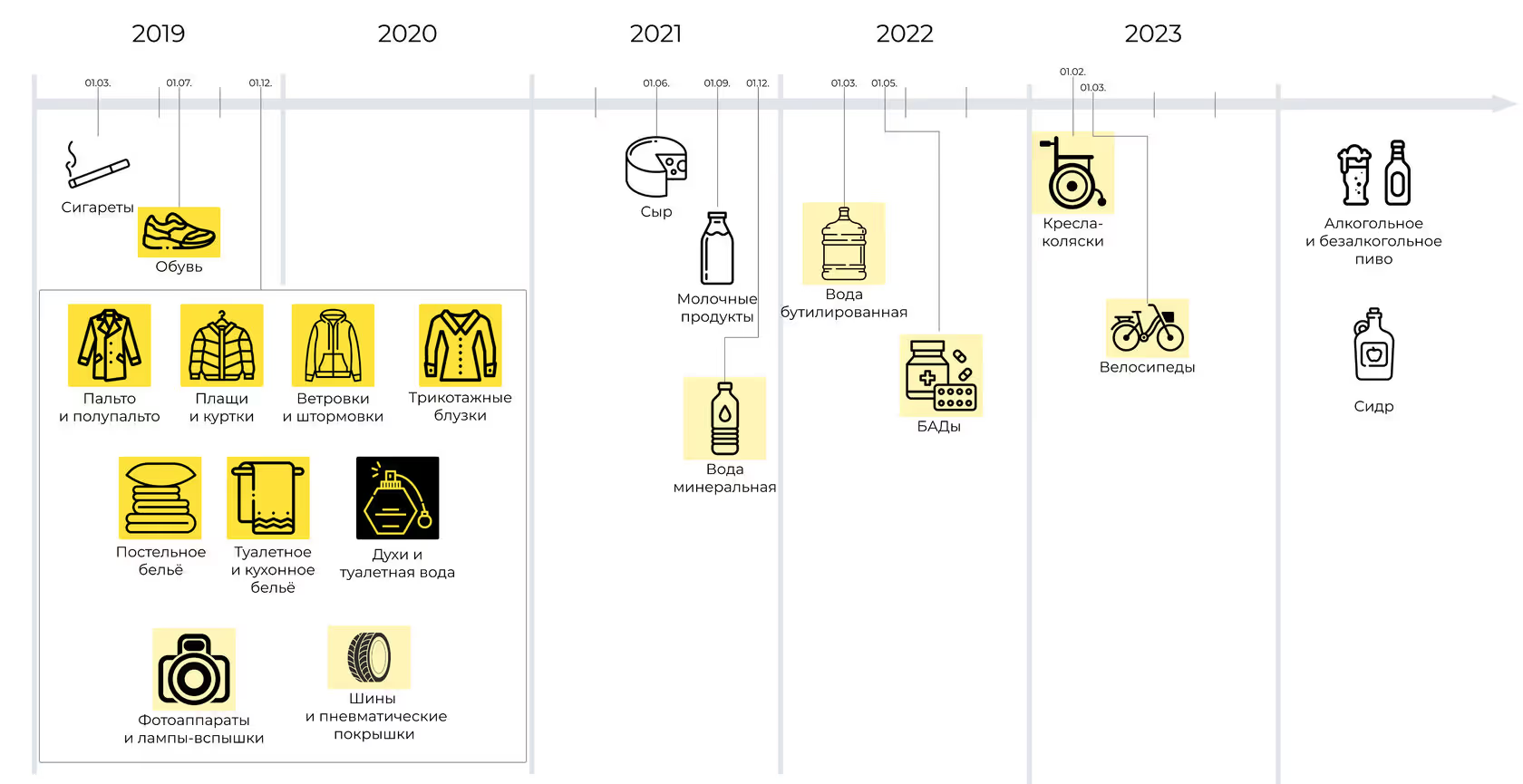
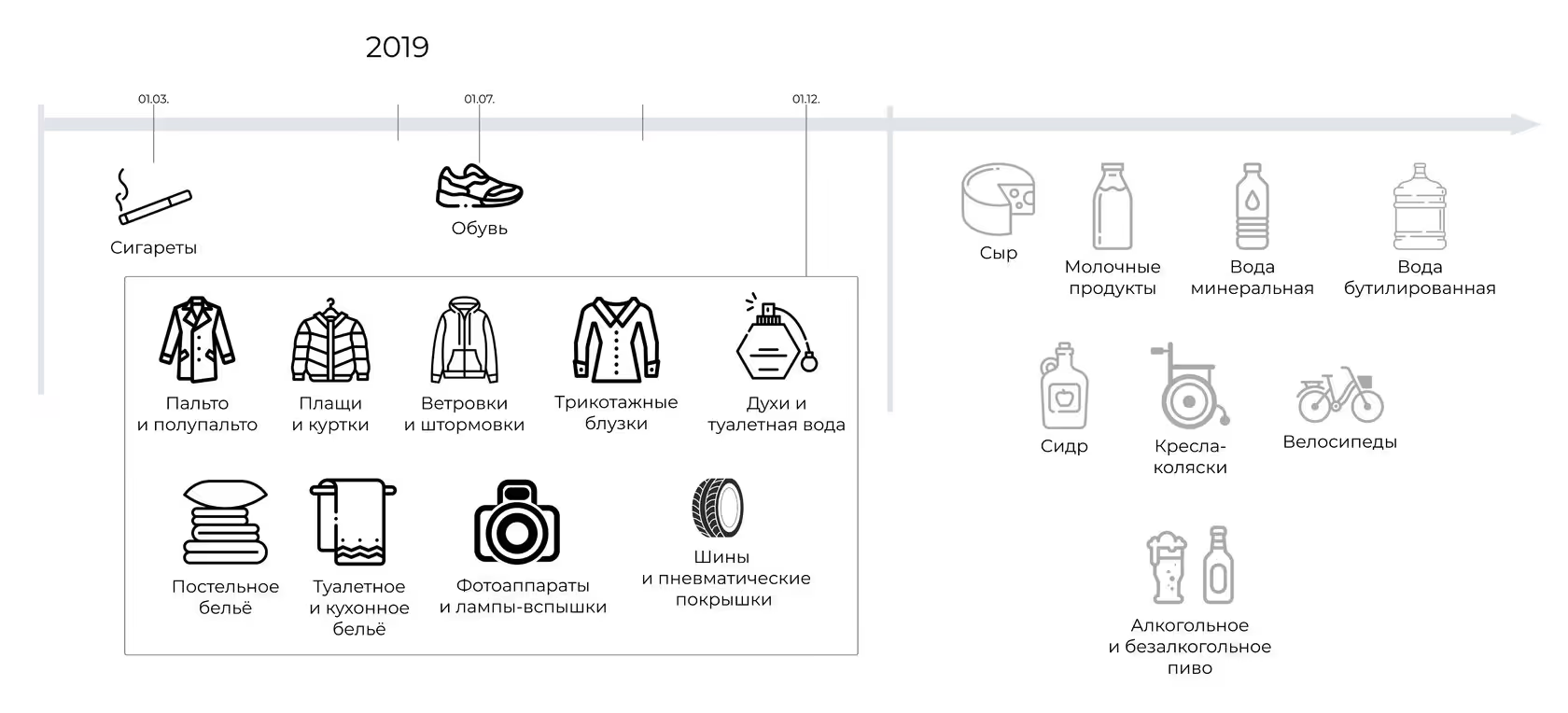
In 2019, the law on labeling tobacco products, perfumes, clothing, footwear, tires, photo equipment, and other product categories came into force. Most FM Logistic partners carry such goods. The logistics company calculated that its clients would be willing to outsource routine work with labeling codes and wanted to offer this as an additional service.
There was no ready-made solution for such a service, neither at the IT level nor at the management level. Other regional FM Logistic units also had no experience with similar services.
All processes had to be developed from scratch, and as quickly as possible: the niche was open and attractive to many companies.
In 2019, FM Logistic immediately began developing a labeling IT solution with another contractor. But after a year of work and millions in investment, it received an unstable system, and every failure could cost FM Logistic and its partners both financial losses and criminal liability.
After that, the task was handed over to the KT.Team team.
KT.Team's task
To deliver the FM Logistic launch of a service for labeling goods with Chestny Znak codes and tracking the movement of labeled goods within a tight timeframe. The IT system that powers the service must run 365/24/7 and handle simultaneous processing of tens of millions of codes.
Labeling is not just sticking on a label
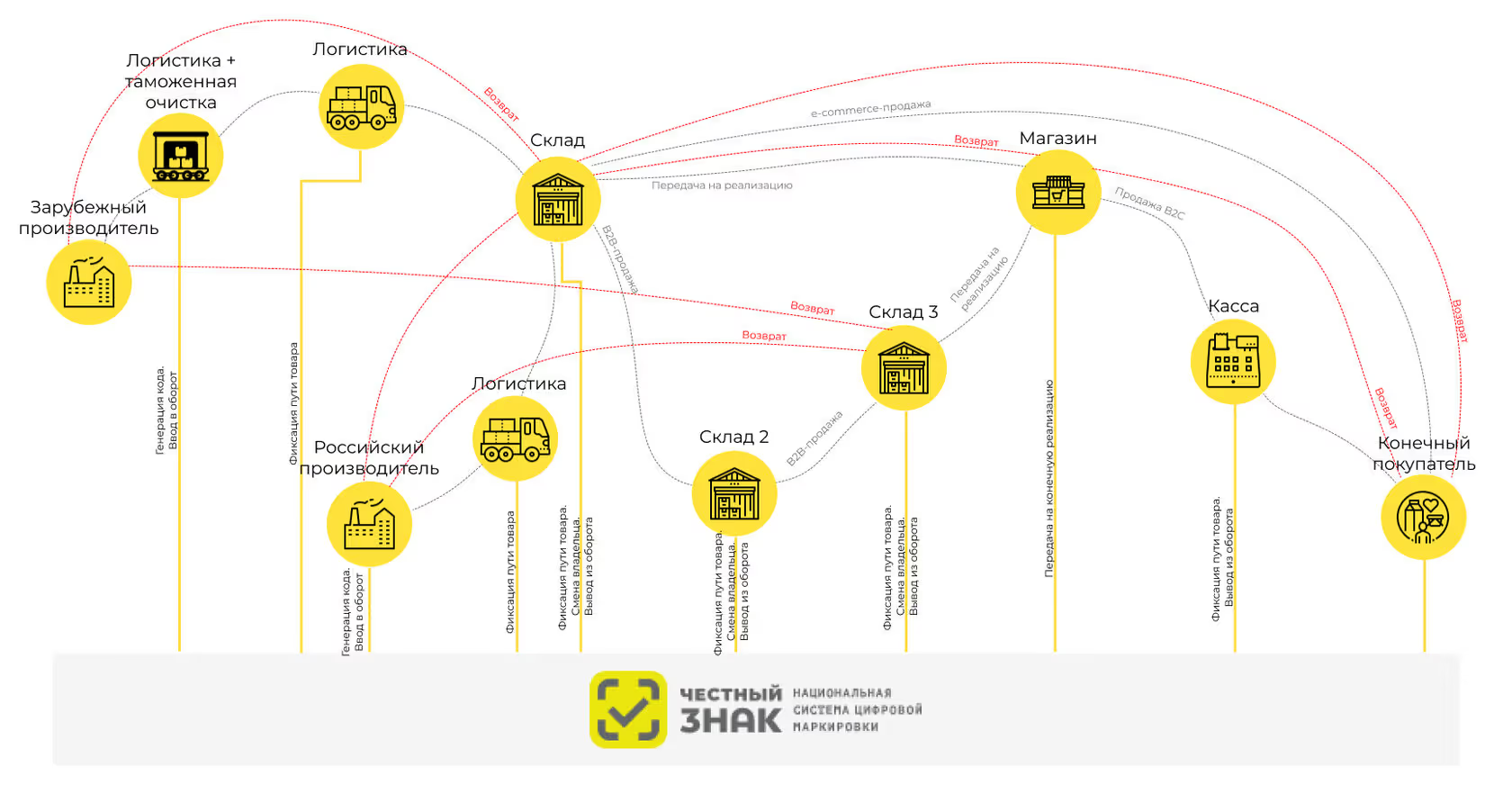
The product labeling law was adopted to improve transparency in product markets and reduce counterfeiting. Therefore, a product subject to labeling must not only be tagged with a code immediately after production or crossing the border, but also be tracked from the manufacturer to the final buyer, with data from each stage of movement passed to regulatory authorities.
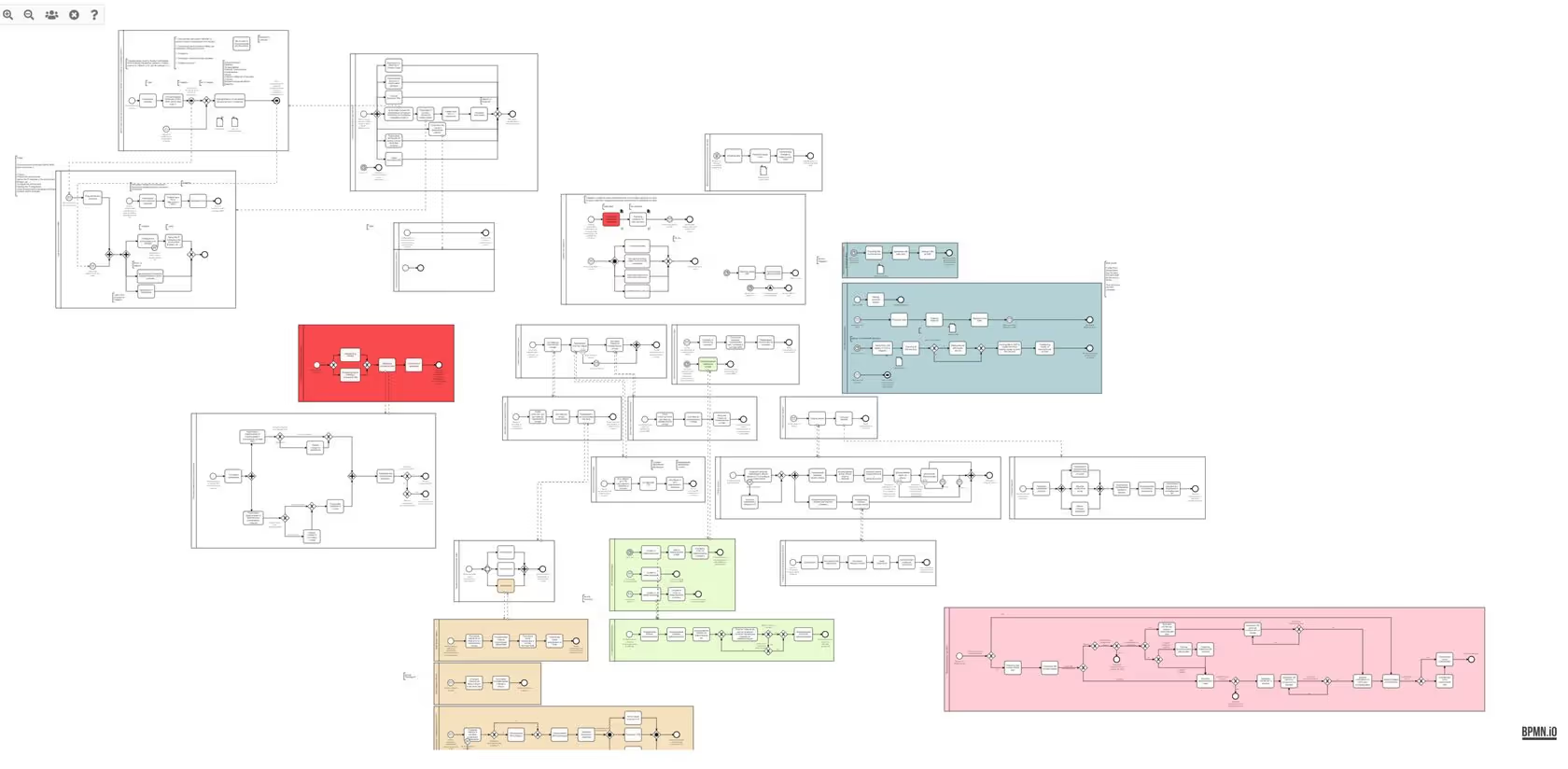
The lifecycle of a labeled product consists of five major stages, each containing several business processes with branches and constraints. The owner must report every product status change to Chestny Znak.
In addition, labeled goods also move within FM Logistic's own business processes.
Our team:
before starting work on the code.
This allowed us to avoid the mistake made by the previous contractor. Instead of taking an existing app for warehouse scanners and just adding to it (the path chosen by our colleagues), we built a microservice system from scratch. The product was named ParaDigMa.
- visited FM Logistic warehouses twice;
- spent hundreds of hours on calls with FM Logistic employees, from warehouse staff to department heads;
- analyzed labeling legislation;
- studied the main business process and dozens of nested processes involving labeled goods;
- studied how Chestny Znak works;
Review a similar project with an architect
Result 1. the code retrieval service from Chestny Znak requires minimal additional staffing costs for FM Logistic
We fully automated the process of obtaining Chestny Znak codes. FM Logistic employees only perform the inbound step of uploading documents and the final step of applying the codes to product packaging.
ParaDigMa analyzes uploaded invoices and looks for products that require labeling. It filters out invoices that do not contain such products. In invoices that do contain them, ParaDigMa identifies their type and quantity, then automatically requests codes from Chestny Znak. The codes uploaded into ParaDigMa are automatically linked to the product name.
Employees receive a ready-made list of codes of the required type and in the required quantity. All that remains is to print and apply them.
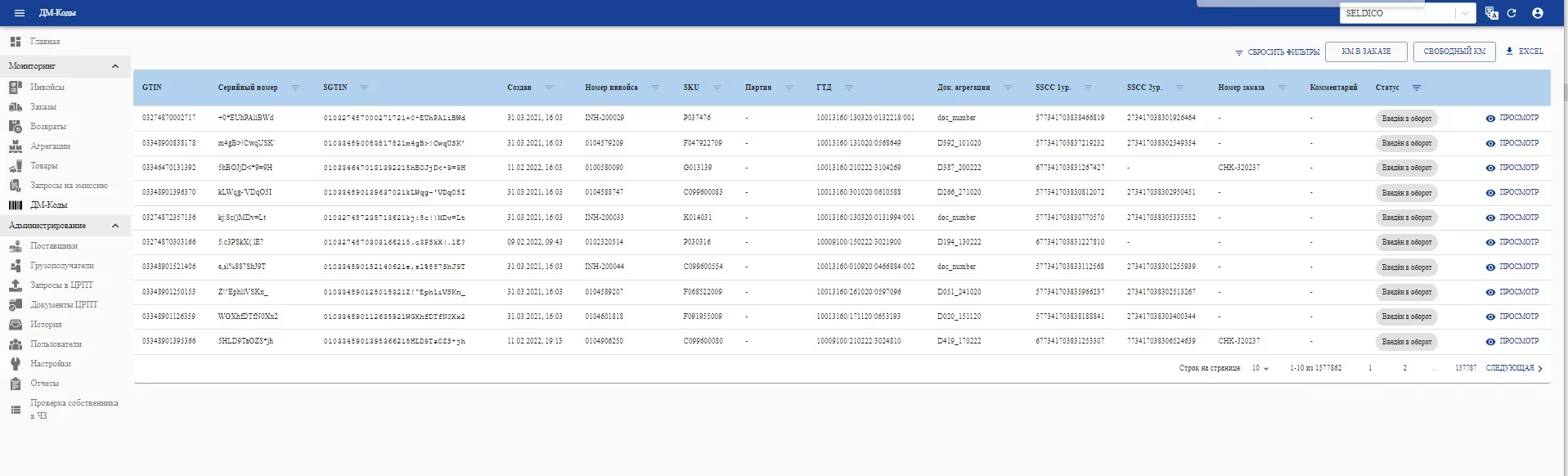
Result 2. product movements from receipt through withdrawal from circulation are automatically recorded in Chestny Znak
The labeling code is scanned during any operation with the product. This may be warehouse inventory, internal warehouse movement, wholesale sale, sale to the end customer, return, inclusion in a consolidated shipment or kit, and so on.
Depending on the type of operation, ParaDigMa performs a set of actions that ensures data is transmitted to Chestny Znak: it searches for the code in its database, checks its current status, compares the new owner with the previous owner, submits a status change request, or transfers data about the cargo processing stage.
In this way, FM Logistic helps clients meet legal requirements without unnecessary costs for either their own staff or IT.
Result 3. the FM Logistic client can choose whether they need the full service or only part of it
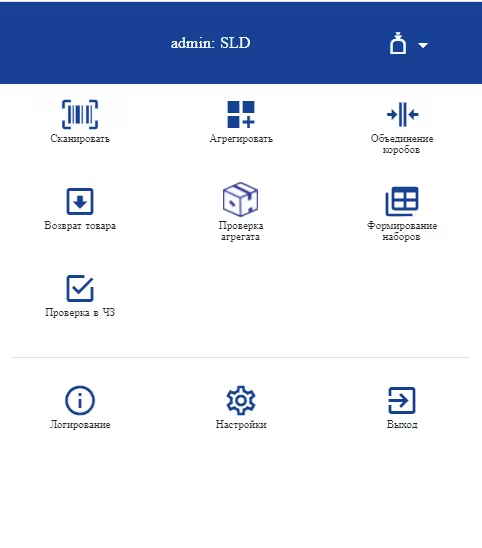
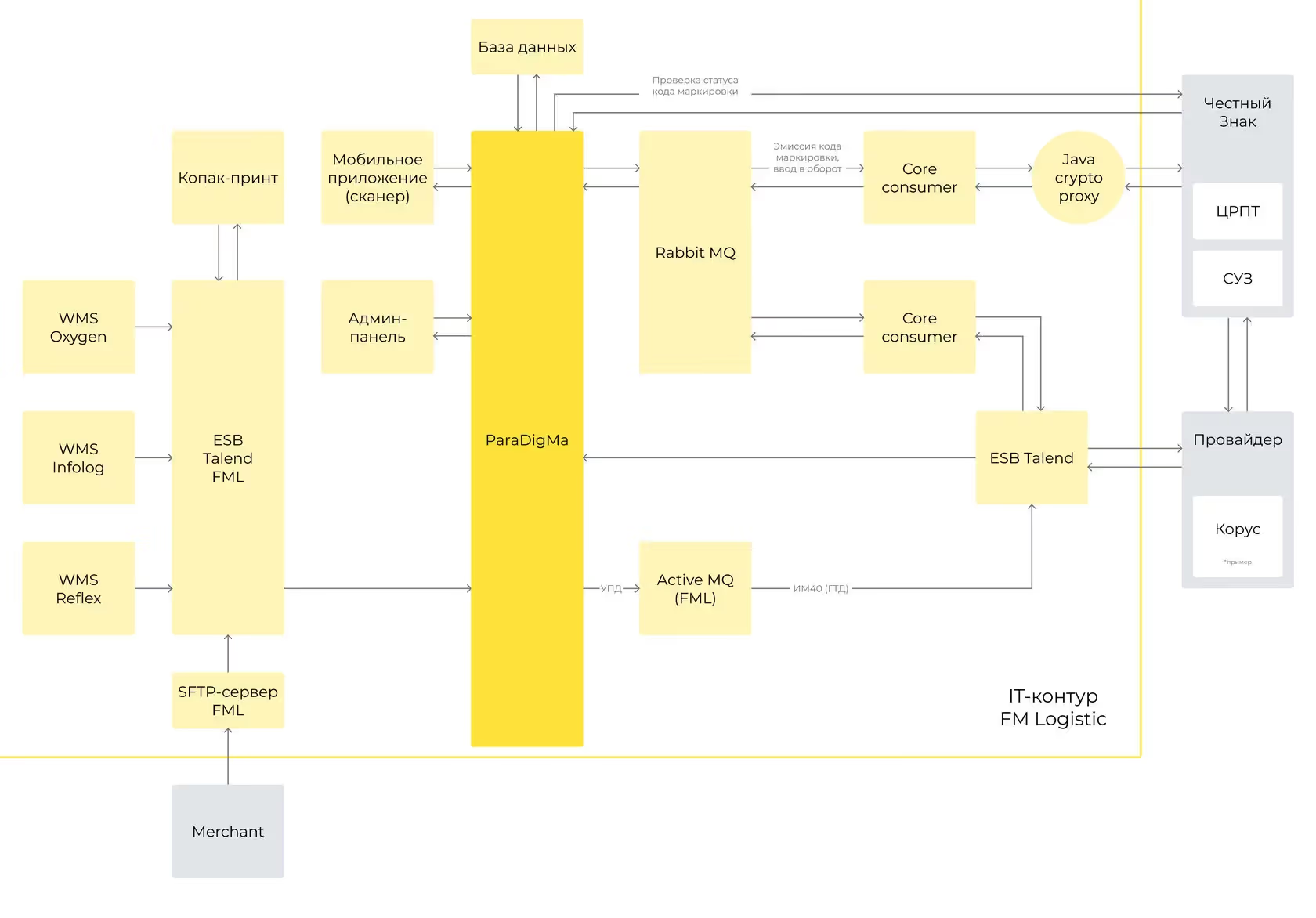
The labeling and product tracking service consists of a group of microservices, each with its own area of responsibility.
These microservices are connected to each other, but can also run independently.
For example, an FM Logistic client may entrust labeling to another provider or handle it themselves. But if desired, they can upload the codes into Paradigma and entrust FM Logistic with further product tracking and data transfer to Chestny Znak. Optionally, this can cover only warehouse movements or go all the way to withdrawal from circulation.
Summary
The ParaDigMa perfume labeling service was launched in 5 months as an MVP (August 2020 to January 2021) and fully rolled out in 8 months (April 2021).
The system consists of microservices. Its core contains 20 million lines of code. By comparison, the Space Shuttle is controlled by 400,000 lines of code.
In 2021, codes for 25.72 million product units were obtained through ParaDigMa.
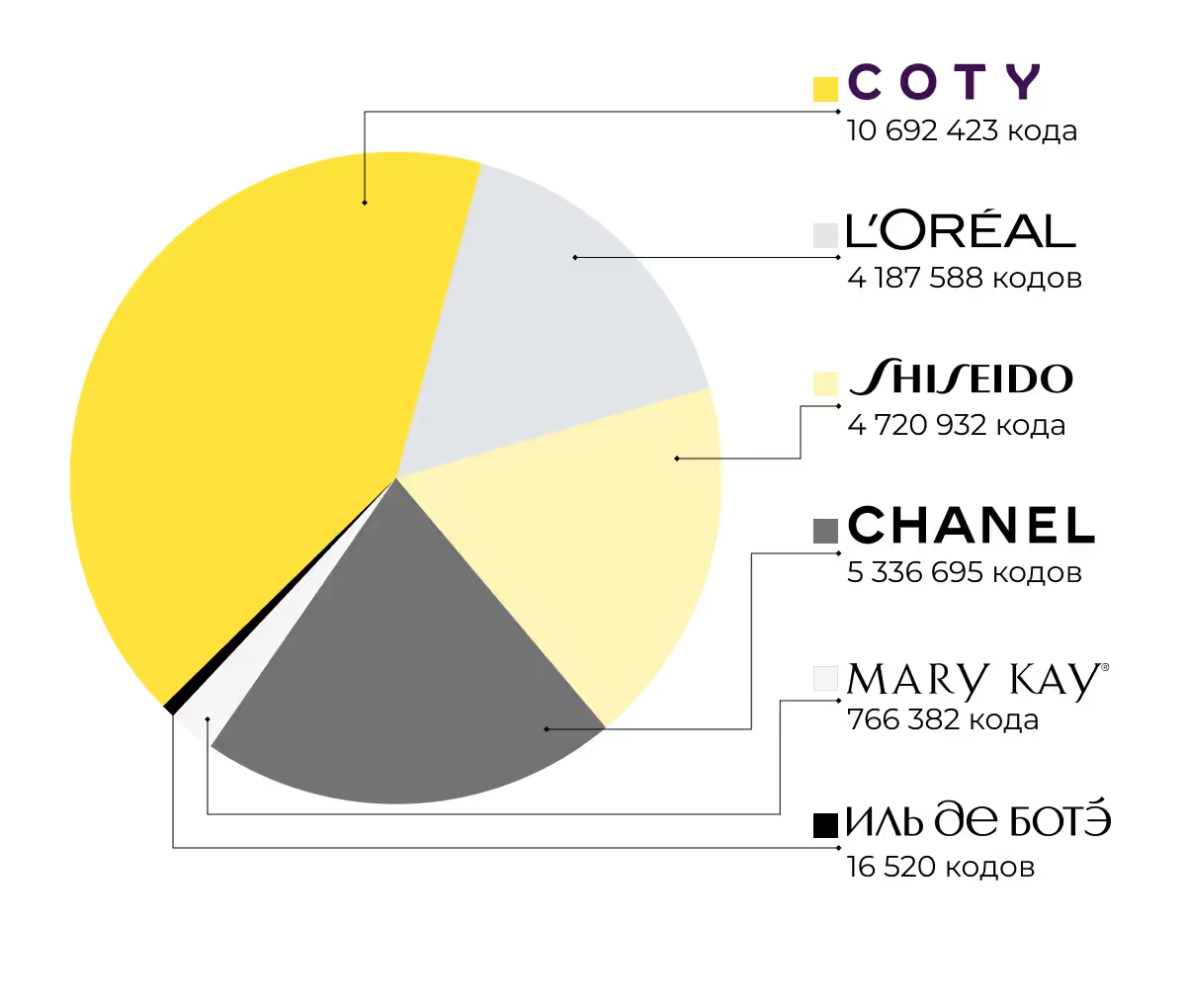
The Paradigma labeling and product tracking service is used in full by 6 FM Logistic partners, including Shiseido and Chanel.
Two more FM Logistic partners generate codes through another service, but while the goods are within the FM Logistic ecosystem, they use ParaDigMa to track product movement.
ParaDigMa runs 24/7 year-round and does not need to be taken offline for maintenance.
At the same time, up to 300 FM Logistic employees work in ParaDigMa, while the system also receives data from three of the client's WMS systems and exchanges data with Chestny Znak and alternative labeling service providers.
In April 2022, we added labeling for additional product groups: footwear, apparel, and bed, table, bath, and kitchen linens. With minimal modifications, we are ready to support the product groups "new pneumatic rubber tires and casings," "cameras, flash units and flash lamps," "bicycles and bicycle frames," "wheelchairs," "packaged water," and "dietary supplements."