| Option | What remains standard | What is configured or developed | When it fits | Main risk |
|---|
| Ready-made system with AI | ticket, queue, deadlines, roles, knowledge base, reporting | request types, knowledge, rules, connections to other systems | a standard support process, with the platform already deployed | licenses and customization constraints |
| Customization of the existing system | the system remains the system of record for requests | new channels, AI classification, search, and industry rules | a special workflow is needed without replacing the entire platform | responsibility is split between the platform and customization |
| Custom system | only basic infrastructure and external services | the full request journey, roles, interfaces, integrations, AI, and support | the support function is part of the product and the process is unique | underestimating the capabilities of a mature platform and the cost of further development |
When buying makes sense A ready-made platform already includes a service catalog, SLA, queues, approvals, roles, auditing, and reporting. With custom development, these functions become a separate workstream. If they already work, replacing the core for a new AI interface creates a major migration project.
Before choosing, walk through a specific ticket journey and check these platform properties: - which channels are supported in the required edition; - which fields and reference data are available to the agent; - whether it can show the source of a recommendation; - where thresholds and escalations are configured; - how events, traces, and operator corrections are exported; - whether a custom model or tool can be connected; - where the data is physically processed and stored.
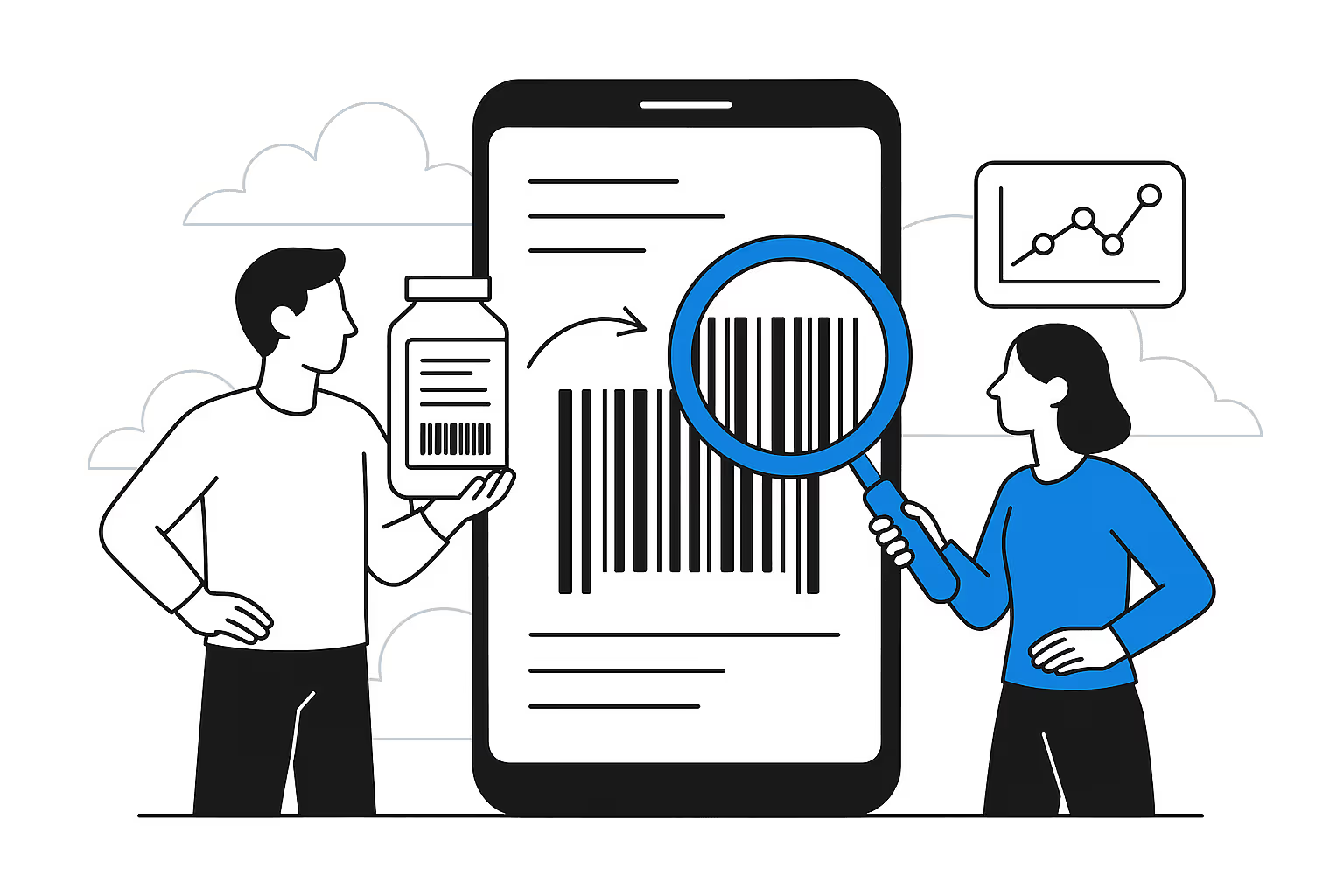
If the platform covers the process and makes decisions observable, custom development needs a stronger rationale than simply wanting a different interface. When the existing system needs customization Customization is useful when the existing system meets the company's needs, but the channels or processing rules differ from standard ones. For example, AI can receive a photo of equipment, identify the asset, request its serial number, check the warranty, and then create a completed request.
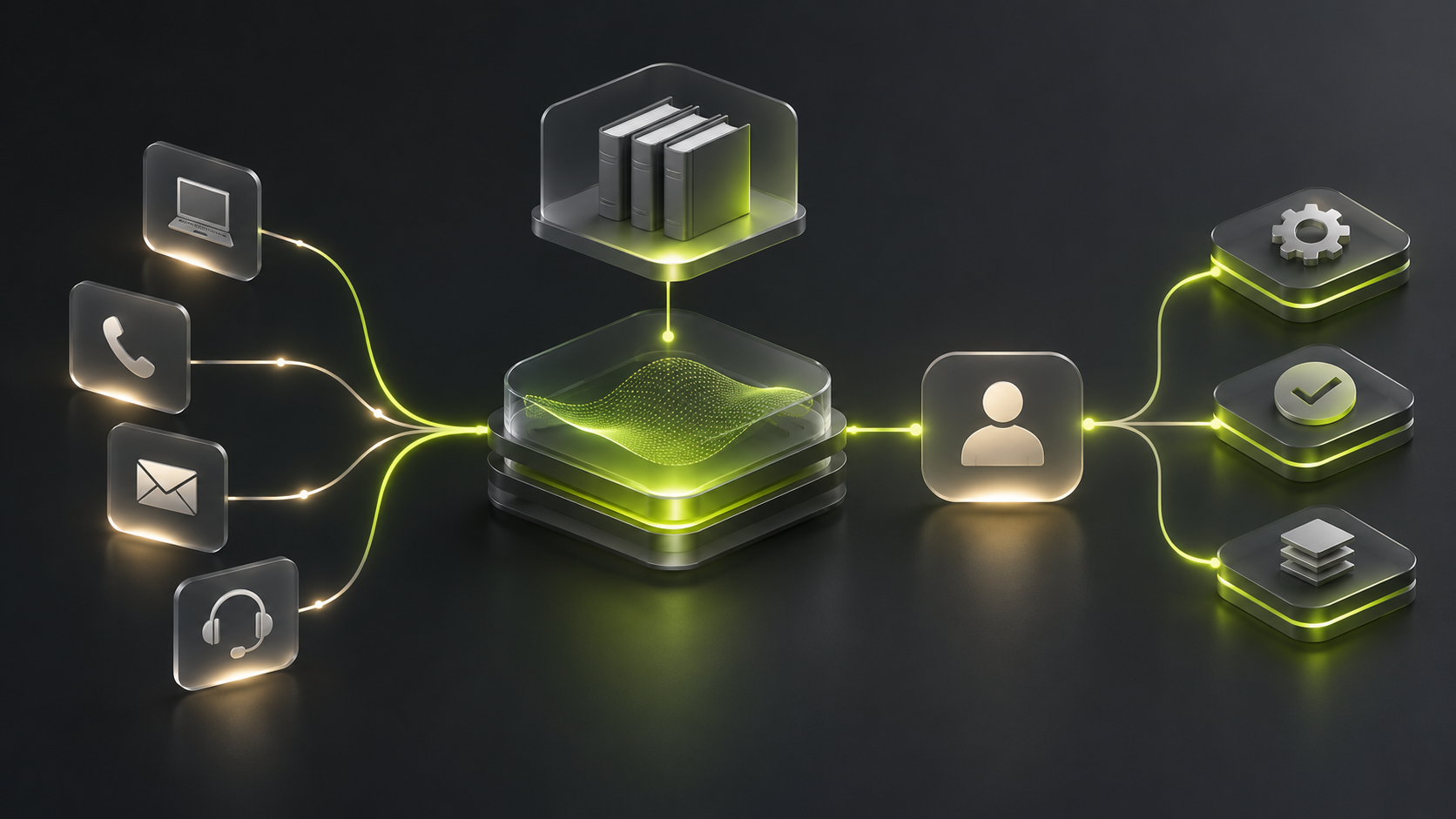
In this design, it is important to assign an owner to each layer in advance:
| Layer | Responsibility |
|---|
| Channel | delivery of the message, attachments, and user identifier |
| Agent | feature extraction, clarification, classification, and action suggestion |
| Support system | ticket number, status, response time, queue, and execution history |
| Domain system | equipment, contract, customer, warranty, permissions to take action |
| Observability | a single trace from the original message to the recorded result |
The key rule: each request must have one official system of record.
AI can prepare and enrich data, but the execution status and confirmed decision remain in the operational support system. When a custom system is justified Building from scratch becomes reasonable when several conditions apply at once: - the request has a nonstandard structure and lifecycle; - key events come from equipment or industry systems; - users need a specialized field interface; - the company must own the code and control the roadmap; - ready-made products would require workarounds in a critical part of the process; - a team is available to own security, support, and development for years.
A custom system inherits the full set of obligations of a mature product. In addition to AI, you will need to implement authentication, roles, notifications, search, attachment storage, auditing, backups, recovery, migrations, and administrative tools. Include these functions in the estimate before comparing options.