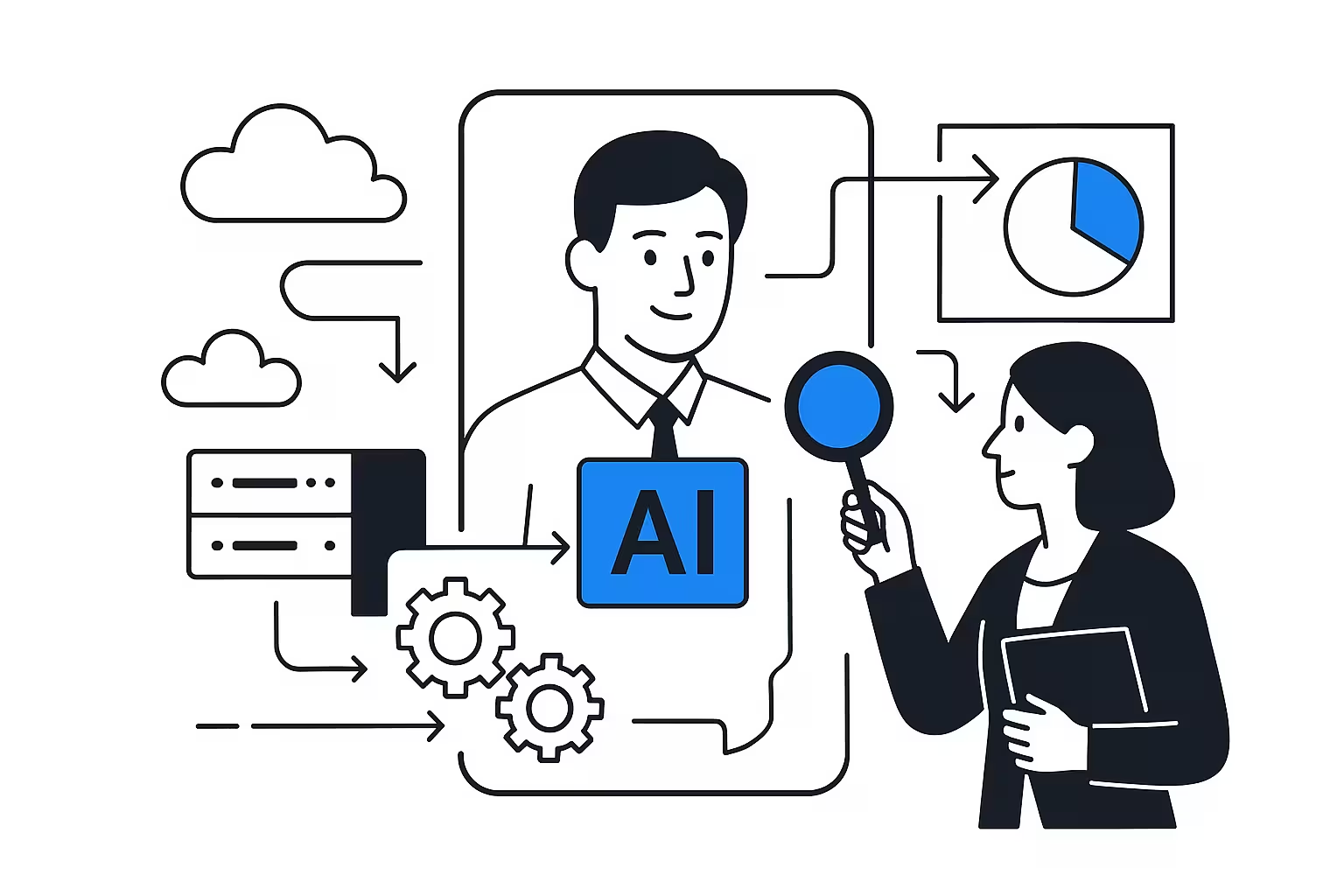
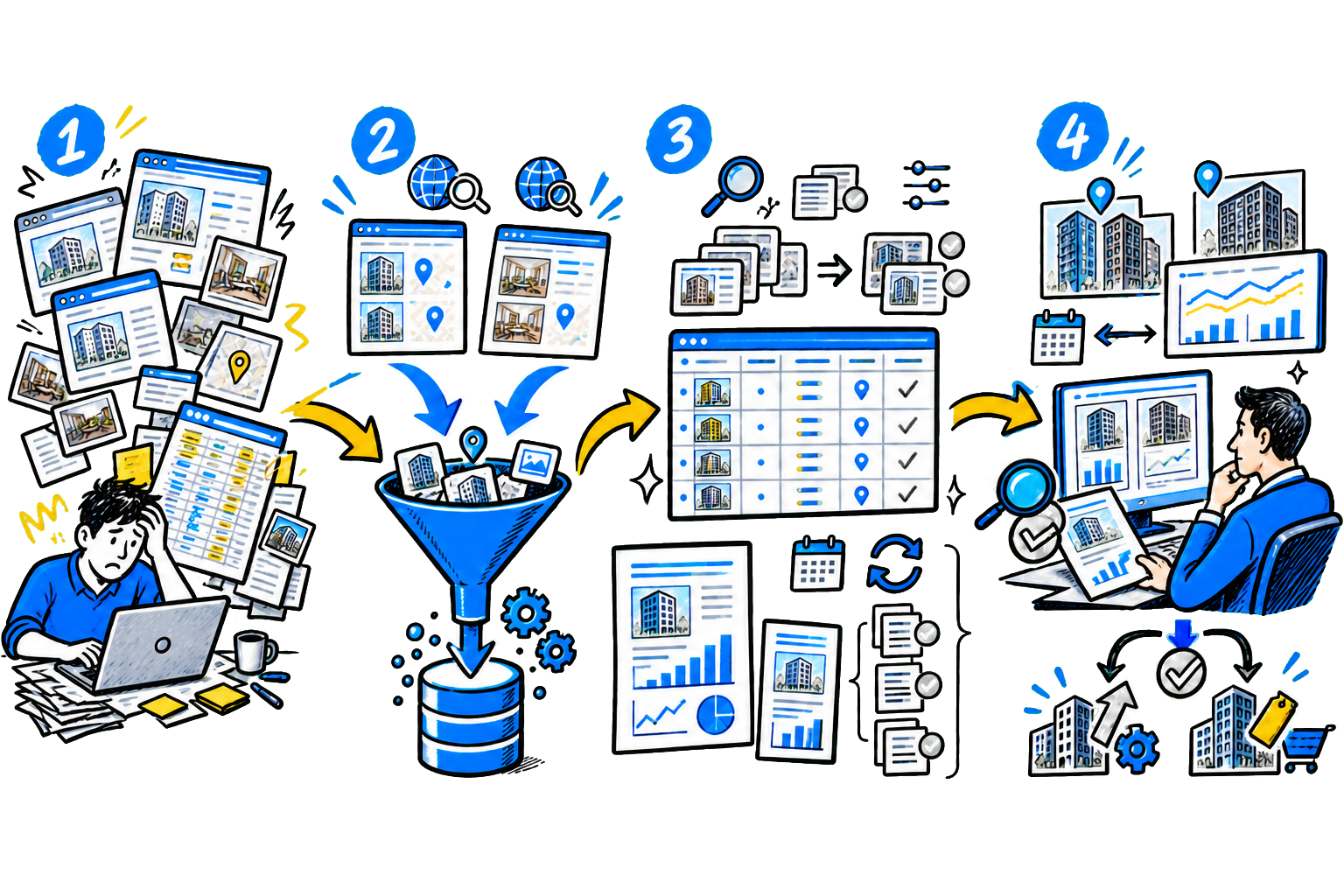
A consultant delivers a presentation and a recommendations report
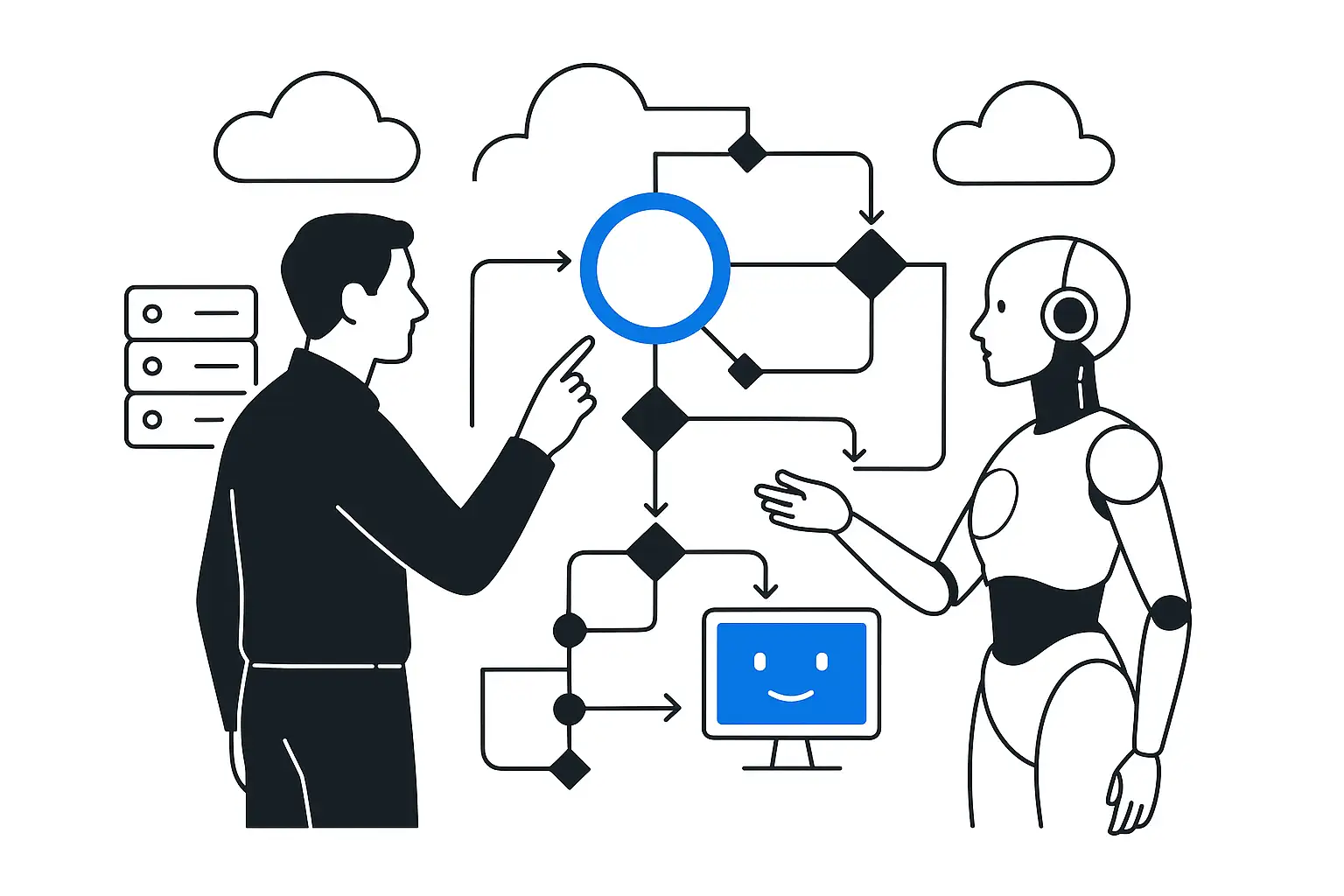
A forward-deployed engineer delivers a working system in the client's production environment and remains accountable for what it does next.

Why AI engineers should work within client processes and own outcomes, not reports, with OpenAI and Chai Discovery case studies.
Vinoo Ganesh, CEO of infrastructure startup Kepler, built the forward-deployed engineer function three times at three different companies over ten years—and admits in a recent analysis for Latent Space that almost no one in the industry agrees on what this engineer should actually do. Labs, startups, and funds are hiring people en masse to embed themselves in client operations and solve problems hands-on. The role is fashionable.
The strategies behind them are different, and confusion is costly for companies that pay for visits instead of outcomes.
A forward-deployed engineer delivers a working system in the client's production environment and remains accountable for what it does next.
The difference comes down to the unit of accountability: consulting sells hours and deliverables, while the FDE model sells an outcome measurable by the client's metric.
For a company implementing AI, this changes the entire contract—from “show us the plan” to “show us what changed in revenue, speed, or costs after a month.”
Most companies hiring AI engineers today still measure them by consulting criteria: number of meetings, volume of documentation, and presence.
An FDE judged by activity quickly becomes an expensive secretary with API access.
In another Latent Space analysis, Akshay Nathan of OpenAI describes the merger of Codex and ChatGPT into a single product, ChatGPT Work: 10 million users in total within two weeks of launch.
The OpenAI team switched to an “iteration quality” metric: how much a change moves the task toward a finished result in a single pass.
This is the same principle that should underlie any FDE contract: measure how much shorter the path has become from “wrote the code” to “running in production.”
We call it time to use—the only metric that does not lie to the client.
Meanwhile, OpenAI released GPT-5.6 in three sizes with separate reasoning-effort levels—the pace at which new models emerge for specific tasks continues to accelerate.
For an integrator, this means that model selection and tuning reasoning-effort for the client's task are separate engineering work, not a one-off decision to pick Claude and move on.
Forward-deployed work without infrastructure turns into a set of fragile scripts living in one person's head. The working stack looks like this: RAG over the client's data, so the model answers from their documents rather than general knowledge; MCP as the protocol through which the agent safely reaches internal systems without direct database access; and LLM & Security Gateway as a single point where model calls are logged and sensitive data is filtered before leaving the perimeter.
In our terms, this is AI-native integration:
A simple interface for the end user—“ask a question, get an answer”
- almost always hides months of work on retrieval, access permissions, and model error handling. Simple does not mean easy; this is worth testing on any AI project promising a one-week launch.
Matthew McPartlon and Neil Patil of Chai Discovery told Latent Space that their AI tools for drug development closed four major deals with pharmaceutical companies in summer 2026. These are signed contracts in an industry where the cost of a model error is measured in years of clinical trials. When an AI tool passes validation in pharma, it is a strong signal: the bar for production-ready AI has moved from demos to real money and real risk.
Companies are hiring forward-deployed engineers faster than they can define what to expect from them. Those that keep paying for presence and activity will get exactly that—presence and activity. Those that rebuild the contract around measurable outcomes and infrastructure that outlasts an individual engineer will get a system embedded in the client's workflow as deeply as Chai Discovery became embedded in drug development.
AI that does not move the metric is theater, and sooner or later the person who commissioned that theater gets fired.