Session Database Patch: A Reliability Lesson for AI Agents

The Hermes Agent patch fixes SQLite lock races and shows why session storage, not the model, determines an AI agent’s production fate.

  • The occasion: a patch that fixes state.db locking
  • When an agent forgets what it was doing
  • TTU measures not response speed, but time to a working state
  • Mechanics: why SQLite breaks under concurrent writes

The occasion: a patch that fixes state.db locking

On September 11, Hermes Agent released patch v0.21.2, fixing a bug that made state.db unstable in some installations: a second writer released another process’s lock, a healthy database was marked corrupted, and one damaged row crashed the session list. The release accumulated 947 commits in the four days after v0.21.1. The occasion is routine—a patch release. The insight is not: session storage resilience to concurrent writes determines an agent’s fate more than the quality of its underlying model.

When an agent forgets what it was doing

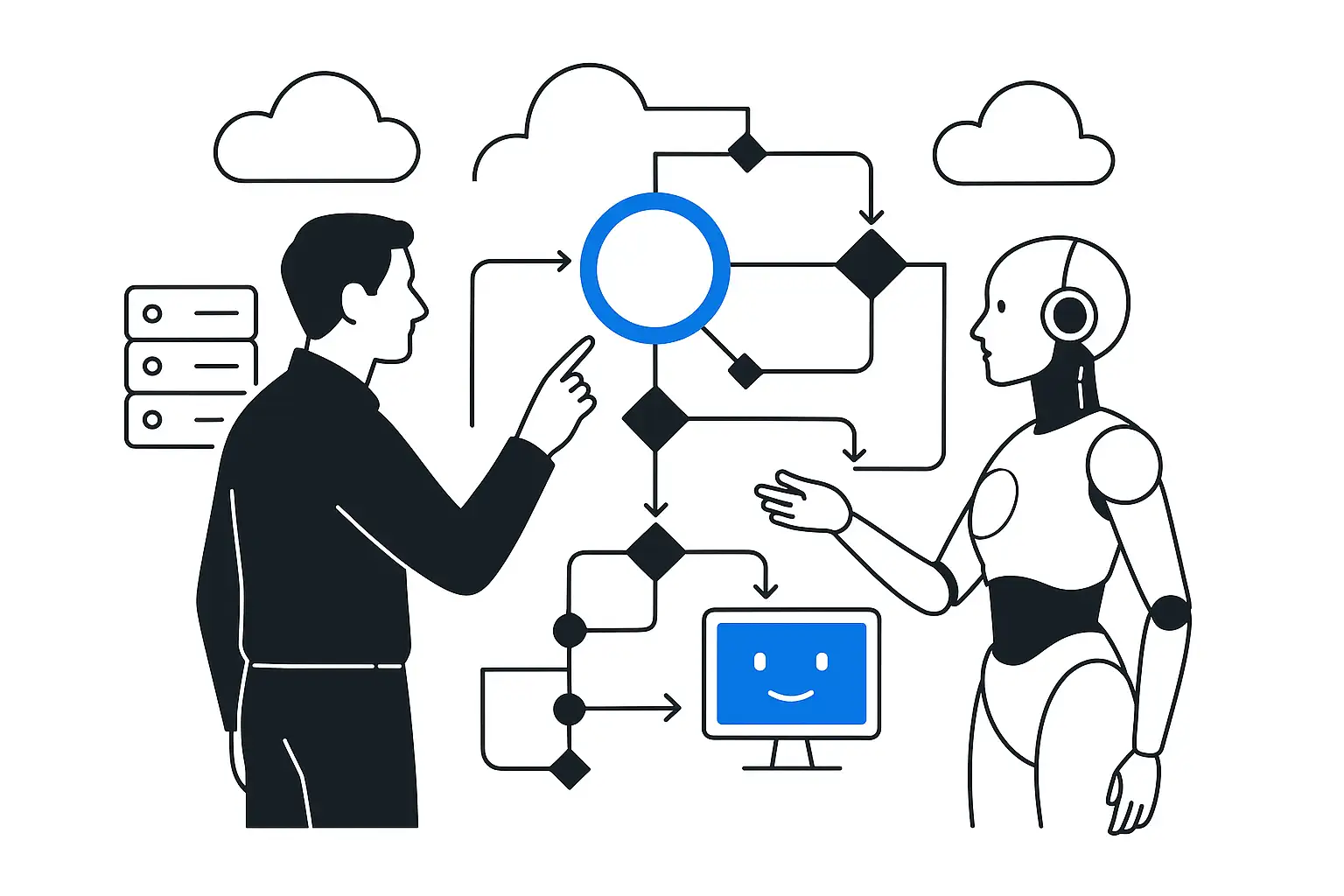
  1. An agent session has a dialogue layer with the model and a state layer: which tools were called, what remains unfinished, and what context persists between runs. Hermes stores this in SQLite (state.db).

  2. When two processes write simultaneously and locking is configured carelessly, one writer releases the other’s lock too early.

  3. The file on disk is intact, but the reader receives an integrity error and reports a working database as corrupted.

  4. Then comes the chain reaction: one row with invalid data breaks the entire session list, not just its own record.

TTU measures not response speed, but time to a working state

Time to use is the metric KT.Team treats as the primary measure of a tool’s value: how long it takes from launch to a result you can trust. A fast model with fragile state storage produces TTU approaching infinity at the first failure: the user loses the entire history and must repair the database manually.

For agents running in the background (cron jobs, task delegation, and multi-agent scenarios from recent Hermes releases), the cost multiplies: a session failure is not isolated; it drags the queue down with it.

Mechanics: why SQLite breaks under concurrent writes

SQLite is single-writer by default: one process writes while the others wait or receive `SQLITE_BUSY`. WAL mode (write-ahead log) removes part of this limitation by allowing concurrent reads during writes, but it does not eliminate application-level locking discipline. If the code creates one connection per worker instead of using a shared pool with an explicit timeout and retry on `SQLITE_BUSY`, the second writer competes for the lock file directly rather than through the database engine.

This is how one failed thread can release a lock held by another and make the entire database appear suspect to subsequent readers.

Assess where AI can deliver impact in your process

Simple looks simple because someone did the hard work

  1. A Hermes user sees one line in the changelog: “state.db patch release.”

  2. Behind it was a rewritten connection-handling layer that first accelerated startup and file operations in v0.21.0, then exposed precisely this class of race conditions. 947 commits in four days is a reasonable price for leaving everything looking unchanged except for one thing: the database no longer fails under load.

  3. This is exactly what “simple does not mean easy” means

  4. : the less visible the infrastructure layer is to users, the more it cost the engineering team.

What this means for integrators and customers

Hermes releases are increasing the number of vendor-hosted MCP servers: v0.20.6 already has more than 50, and the agent connects to each as an external source of state and tools.

Each such server is another writer in the shared environment.

For companies building AI-native processes on multiple agents and MCP integrations, this means state storage reliability and access controls between services cannot be postponed until the system moves beyond a single user in a development environment.

In KT.Team projects, this layer is handled explicitly through the LLM & Security Gateway, which controls which agent and MCP server may write to shared state and with what priority, instead of relying on the database to resolve concurrent writes on its own.

For Python and Node.js stacks, this means a connection pool with a limited number of concurrent writers, explicit retries with backoff on `SQLITE_BUSY`, or a move to PostgreSQL if parallel load grows beyond SQLite’s single-process model.

Results or dismissal

  1. The customer does not distinguish whether the agent failed in the model, the orchestration, or the file on disk.

  2. They see one thing: the tool they budgeted for lost sessions in production. An AI platform that loses state under load becomes unfit as a product, regardless of how good the model inside it is.

  3. A polished demonstration of an agent’s capabilities is worthless without the unglamorous engineering underneath. A patch that fixes SQLite locks does not look impressive in an investor presentation.

  4. It determines whether the agent will survive until the next quarter in someone’s production infrastructure.

Source

Discuss the article: Session Database Patch: A Reliability Lesson for…

Enter your email or phone number so we can get back to you.

Send via: