Diagnose the workflow
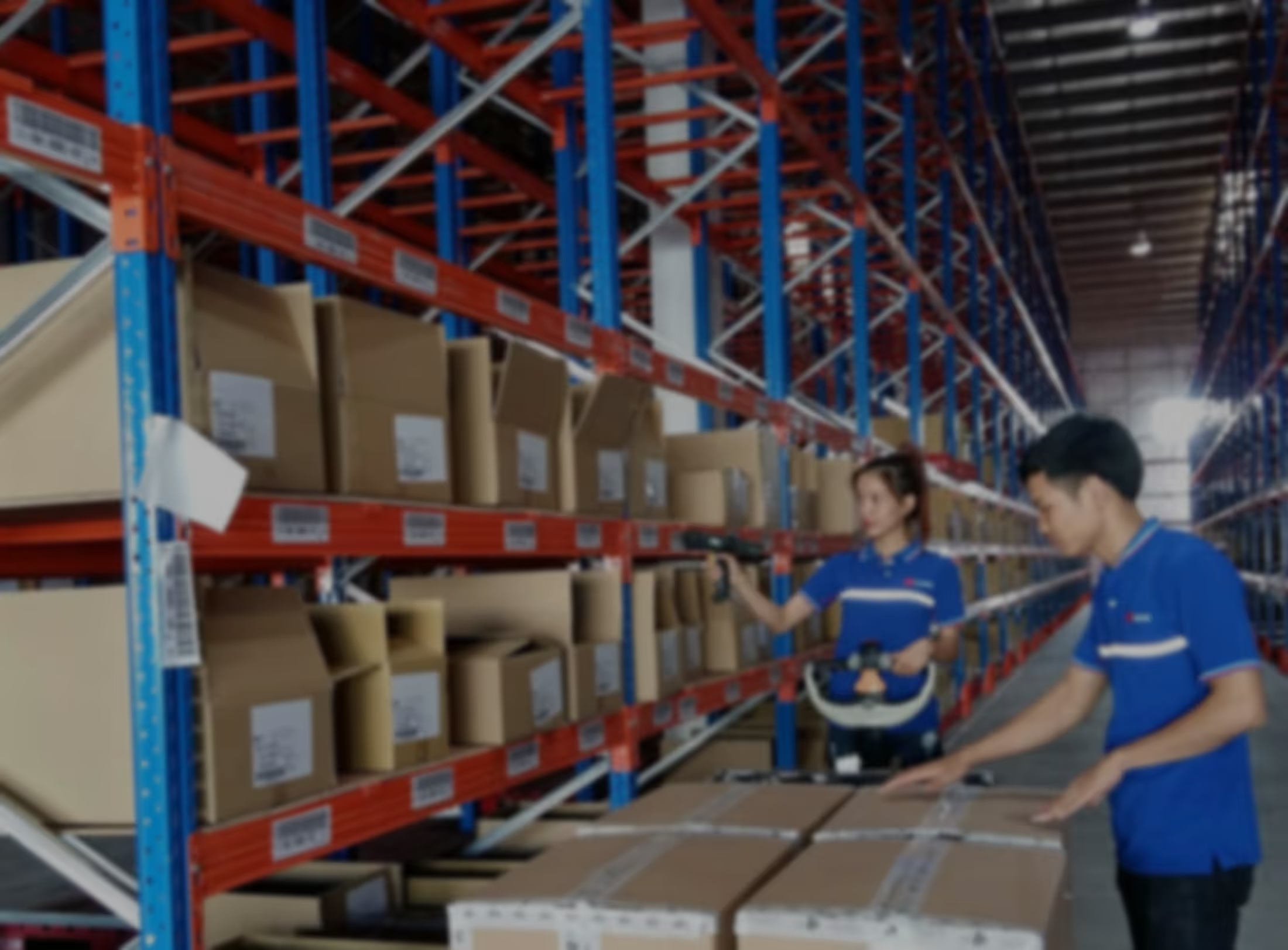
We review receiving, putaway, storage, picking, shipping, inventory counting, returns, transfers, transport statuses, and exceptions.

We help choose a WMS without blind box-by-box comparison: we map warehouse processes, data, integrations, KPI, the pilot, and the implementation roadmap.
Our clients













WMS-readiness
If you start by requesting quotes from WMS vendors, the choice often comes down to price, demos, and feature lists. We start earlier: we define how the warehouse flow must really work, which data must be reliable, and where the system must connect with 1C, ERP, TMS, BI, equipment, and customer channels.
We review receiving, putaway, storage, picking, shipping, inventory counting, returns, transfers, transport statuses, and exceptions.
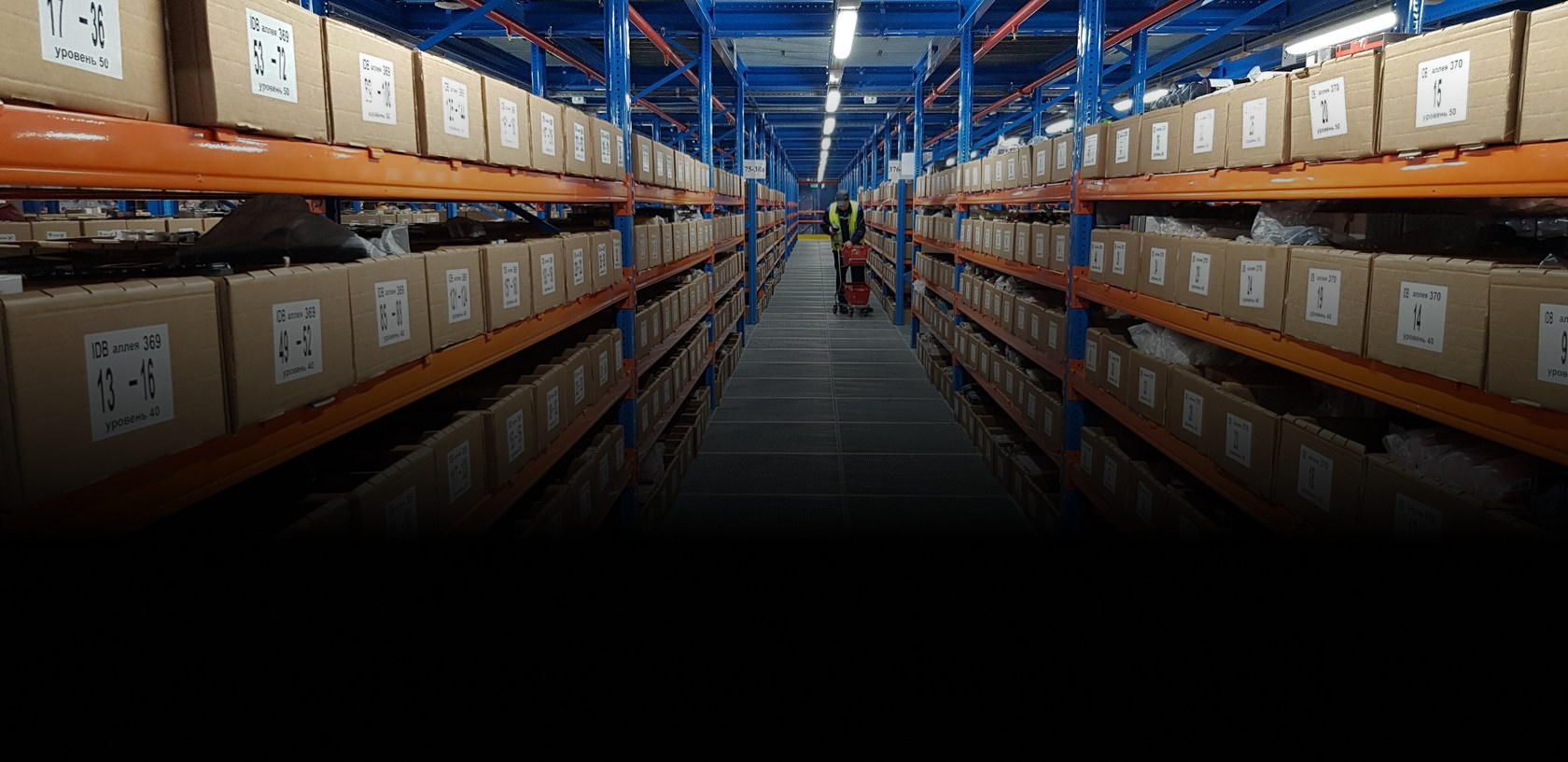
We review item master data, units of measure, batches, serial numbers, locations, stock, barcodes, reservation rules, and exchange quality.
We evaluate the WMS not by a universal feature matrix, but by real working scenarios: what must happen to the order, item, task, and status.
We choose the launch area, KPI, acceptance criteria, integrations, risks, TCO, and a scaling roadmap to the production environment.
WMS changes the warehouse operating model. If processes, data, and integrations are not prepared, the new system may simply move old gaps into a more expensive interface.
What KT.Team does
Approach
Usually a short assessment is enough to move from the idea that “we need a WMS” to a managed plan for selection, pilot, and implementation.
We define roles, operations, exceptions, documents, equipment, error sources, and business expectations.
We define the TO-BE flow, statuses, reference data, events, integrations, and system responsibilities.
We prepare working scenarios for WMS vendors and evaluation criteria: not whether a feature exists, but whether the process works.
We choose the pilot area, KPI, acceptance criteria, scope of work, risks, and scaling sequence.
KT.Team case studies
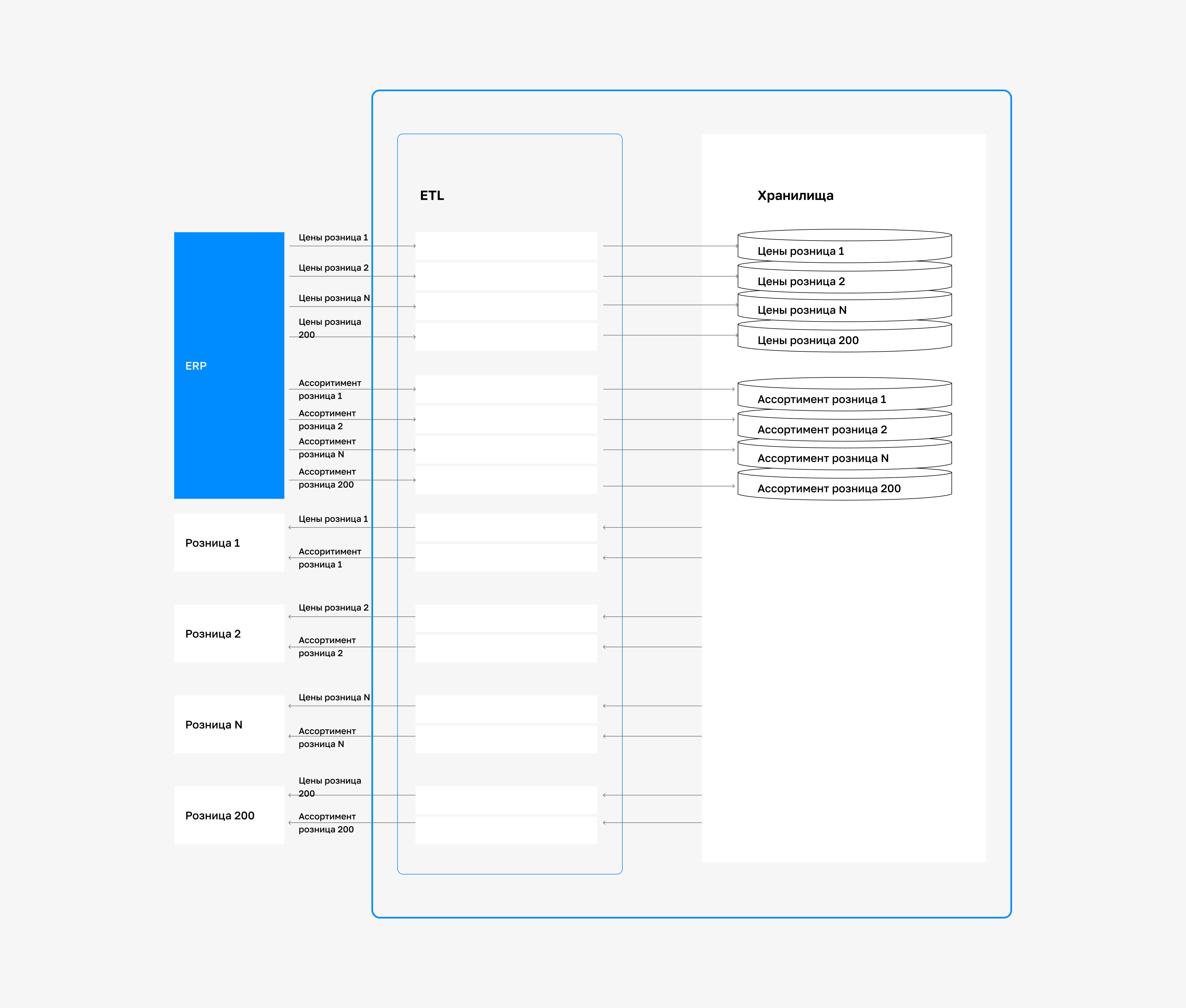
This section brings together projects that are closest to a WMS task in operational logic: inventory counting, WMS/LMS integrations, labeling, transport requests, B2B orders, reservations, delivery, and scalable exchanges with 1C.
KT.Team experience
Before selecting a system, data and processes often need to be put in order. Below are projects where that was the core of the work.
FAQ
Because then the choice gets reduced to price, a demo, and a feature list. We start earlier: we define how the warehouse flow must really work, which data must be reliable, and where the system must connect with 1C, ERP, TMS, BI, equipment, and customer channels. Without this, the new system simply moves old gaps into a more expensive interface.
Item master, units of measure, batches, serial numbers, bins, stock, barcodes, reservation rules, and the quality of current data exchanges. A typical problem is when warehousing, sales, procurement, transport, and accounting use different statuses and interpret stock, reserved quantity, and product availability differently.
Based on real operating scenarios, not a universal feature matrix: what should happen to the order, product, task, and status. We prepare comparison scenarios in advance - receiving, putaway, picking, shipping, inventory, returns, and exceptions - and evaluate not feature availability, but how well the process works end to end.
An AS-IS/TO-BE map of warehouse processes with areas where automation will deliver value; requirements for the WMS, integrations, hardware, roles, data, reporting, and support; scenarios for vendor comparison; a pilot plan with launch scope, KPI, success criteria, risks, and owners; a TCO estimate covering licenses, implementation, integrations, equipment, training, and enhancements; and a scaling roadmap.
Because it is launched in a convenient area with no real exceptions. You need to test mispicks, returns, urgent shipments, inter-warehouse transfers, and data errors, and measure the impact: stock accuracy, picking speed, inventory time, shipping SLA, staff workload, and operating cost.
Usually, a short assessment is enough to move from the idea of "we need a WMS" to a managed plan for selection, pilot, and implementation. The work follows four steps: interviews and on-site observation in the warehouse, a process and data model, preparation of selection scenarios, and a pilot plan with a roadmap.